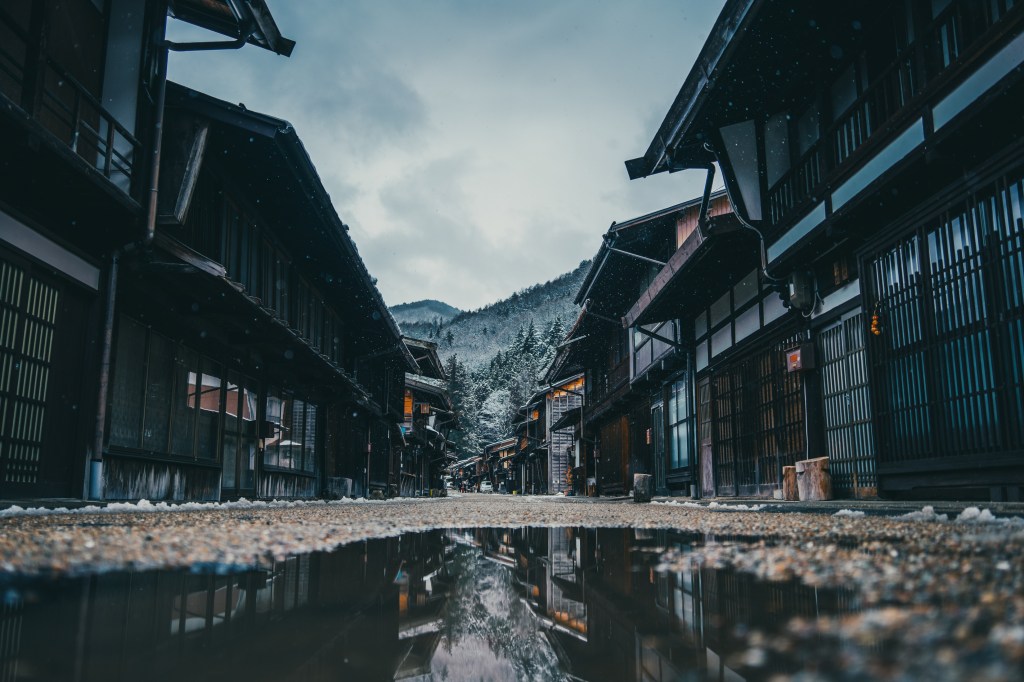

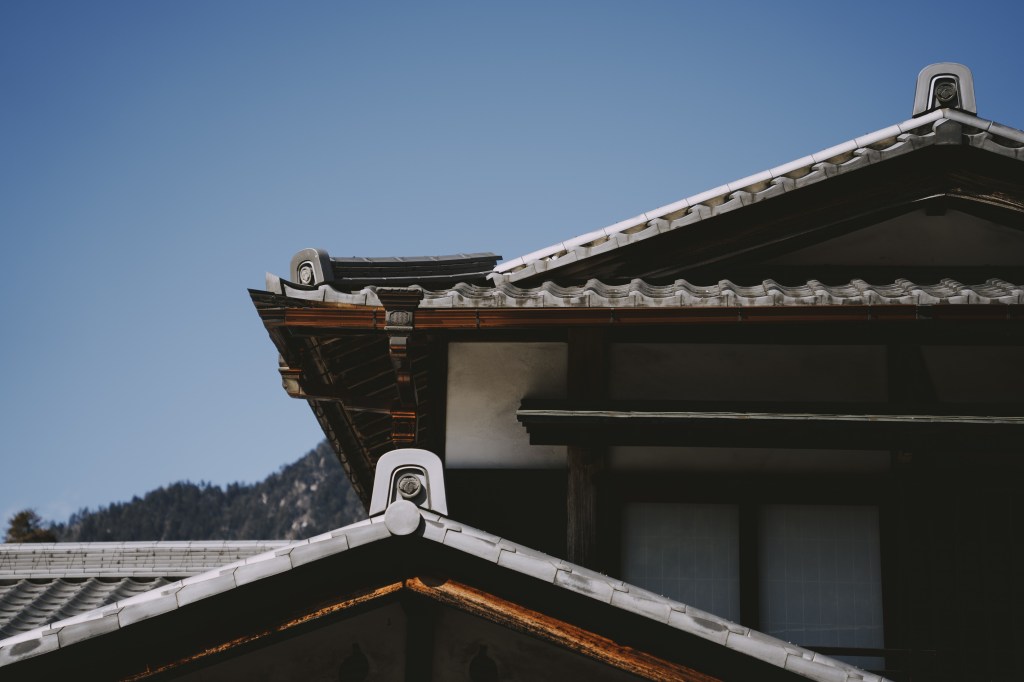
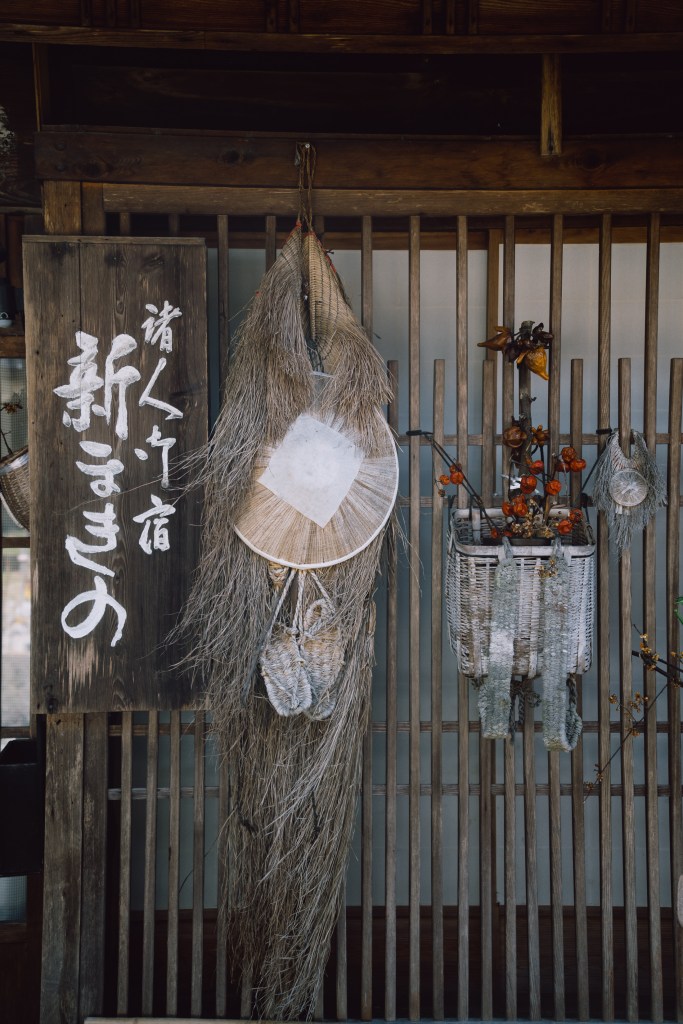
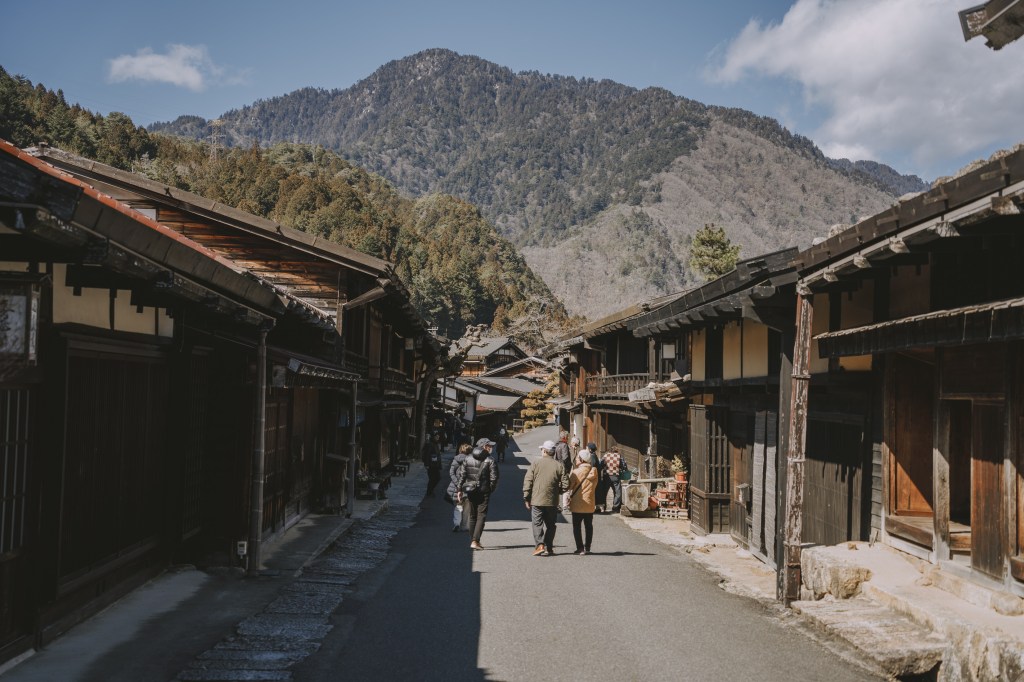
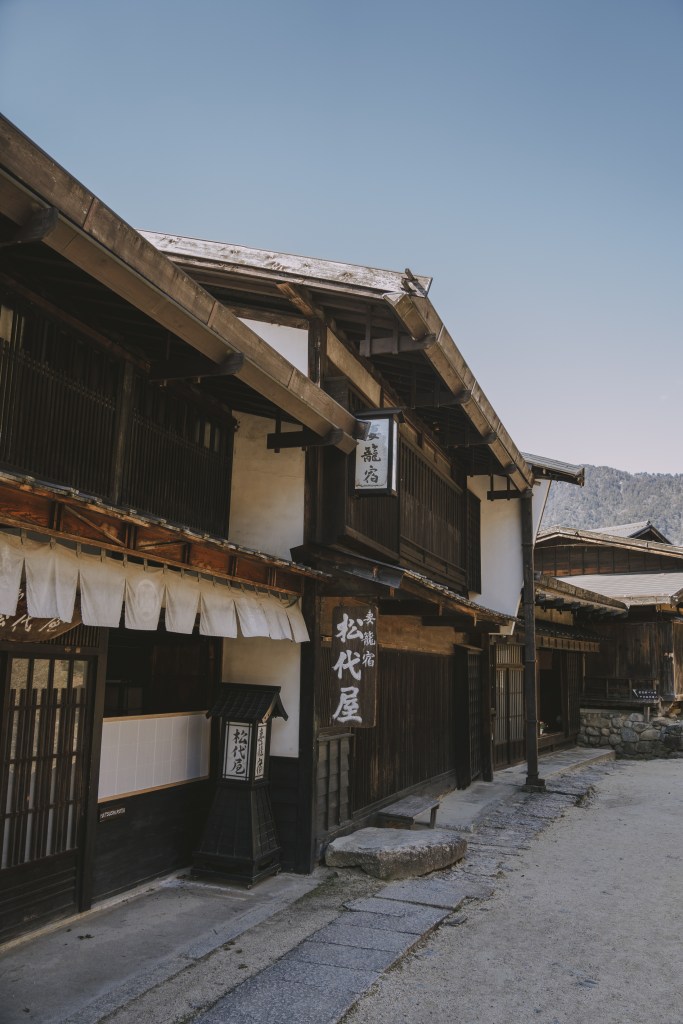
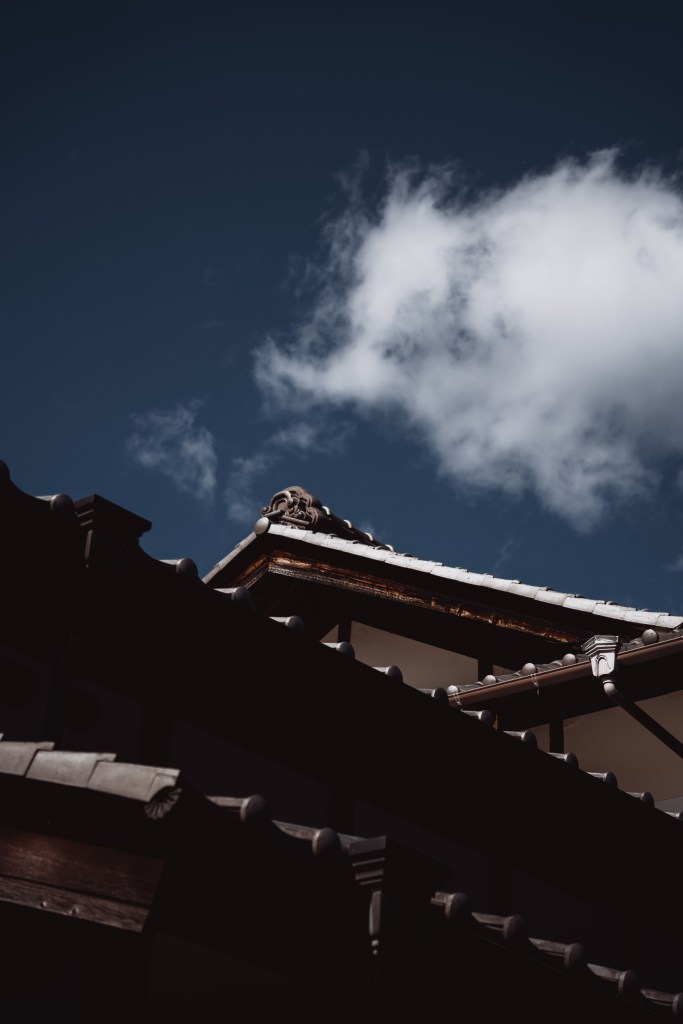
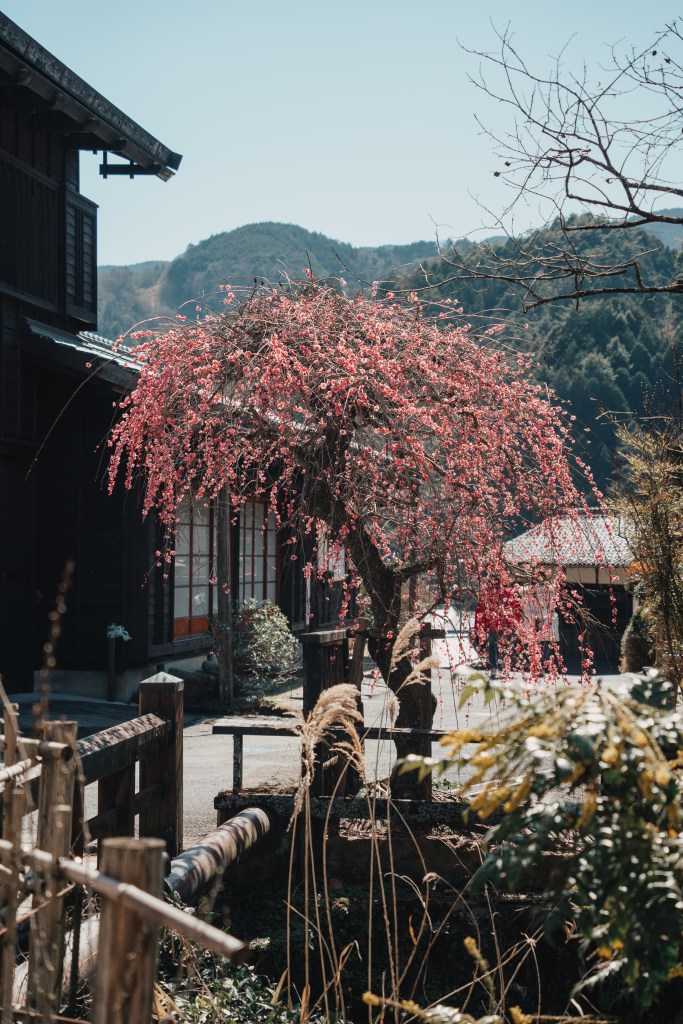
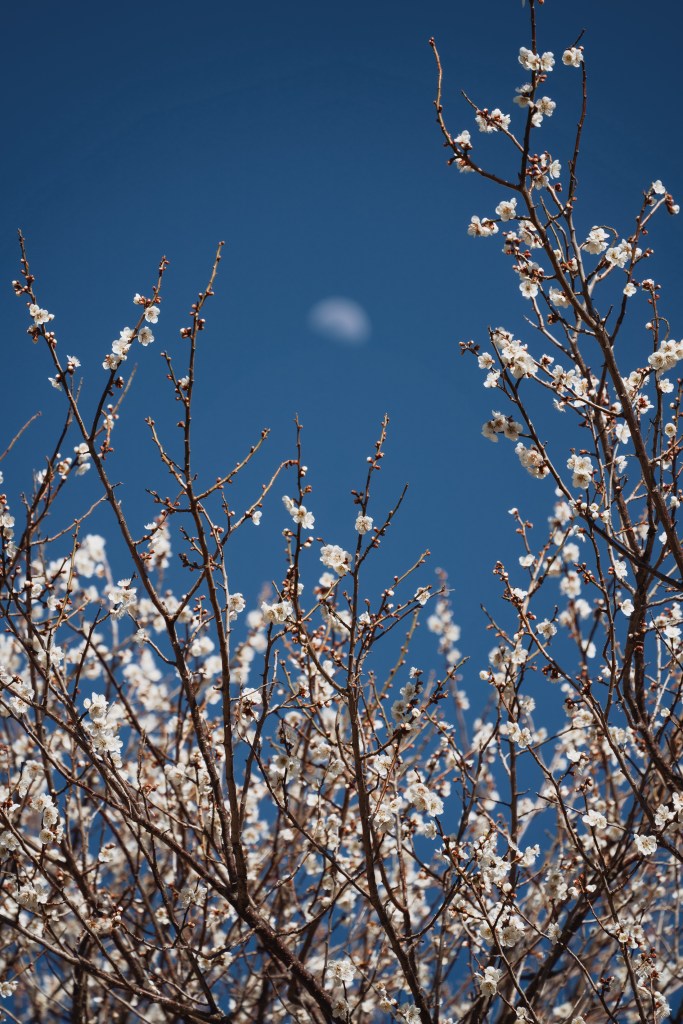
One of my goals for this trip was to get to the rural, historic parts of Japan. I also really wanted to do some hiking so the Nakasendo Trail quickly rose to the top of my list. Over 330 miles long, the Nakasendo Trail was first established in the 1600s as a trade route between Kyoto and Edo (modern-day Tokyo) that passed inland through Nagano’s mountains. This stunning route winds through some incredible landscapes. Its travelers ranged from monks and merchants to samurai, high-class lords, and even royal princesses, all of whom refueled, rested, and slept at the 69 shukuba (post towns) dotted along the route. Some of those post towns have been preserved as they were back in the 17th century. Walking these old cobblestone streets instantly transport you back to that Edo era and it feels as if a samurai may walk around the corner at any moment.
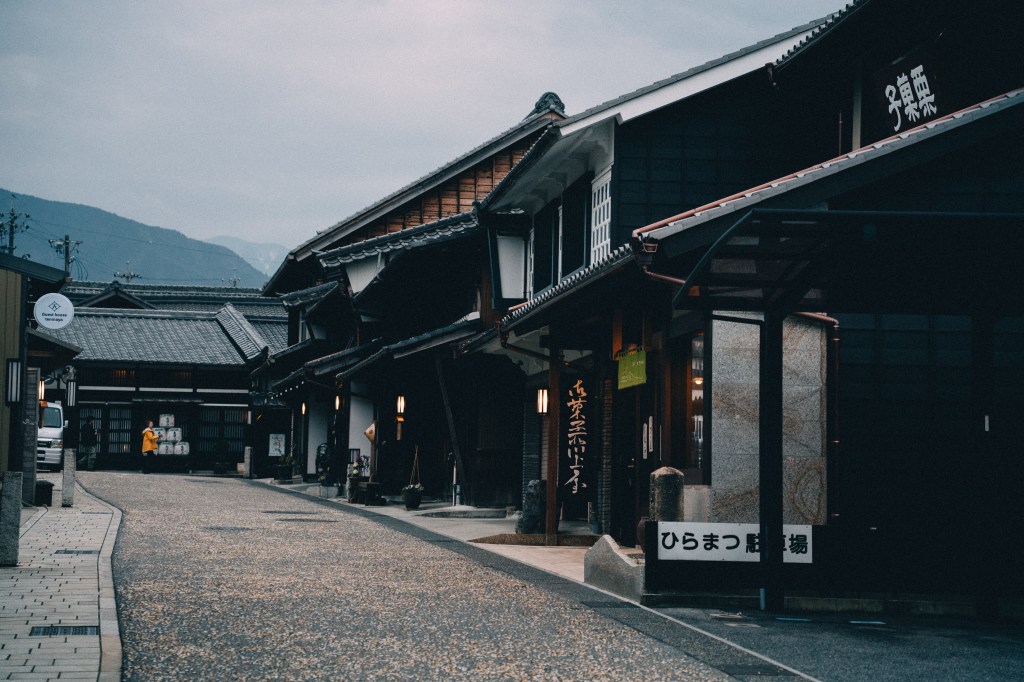
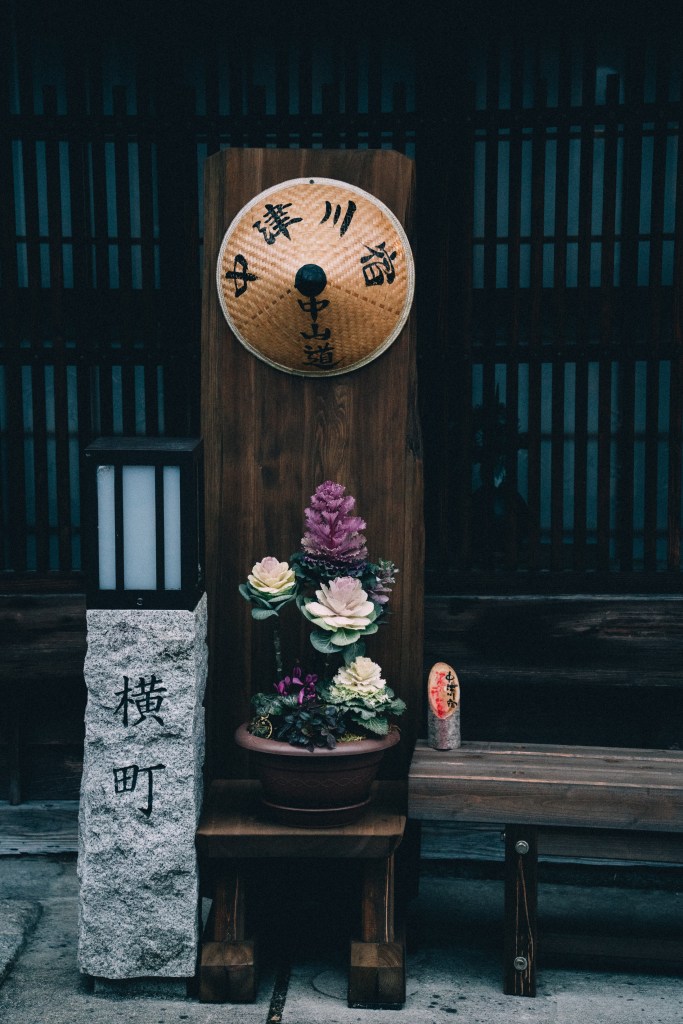

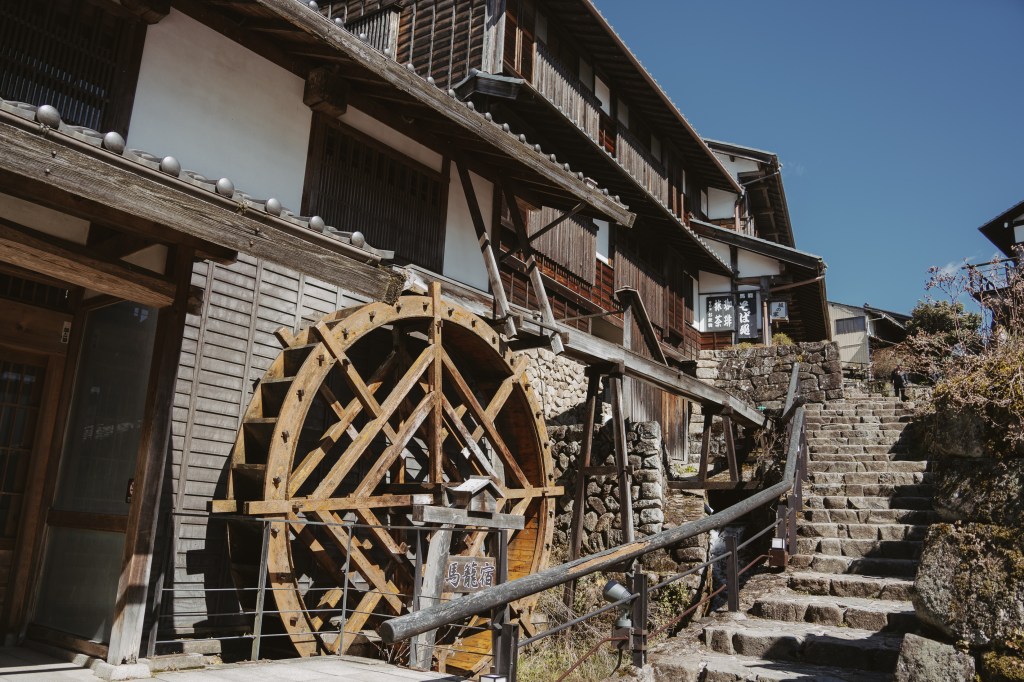
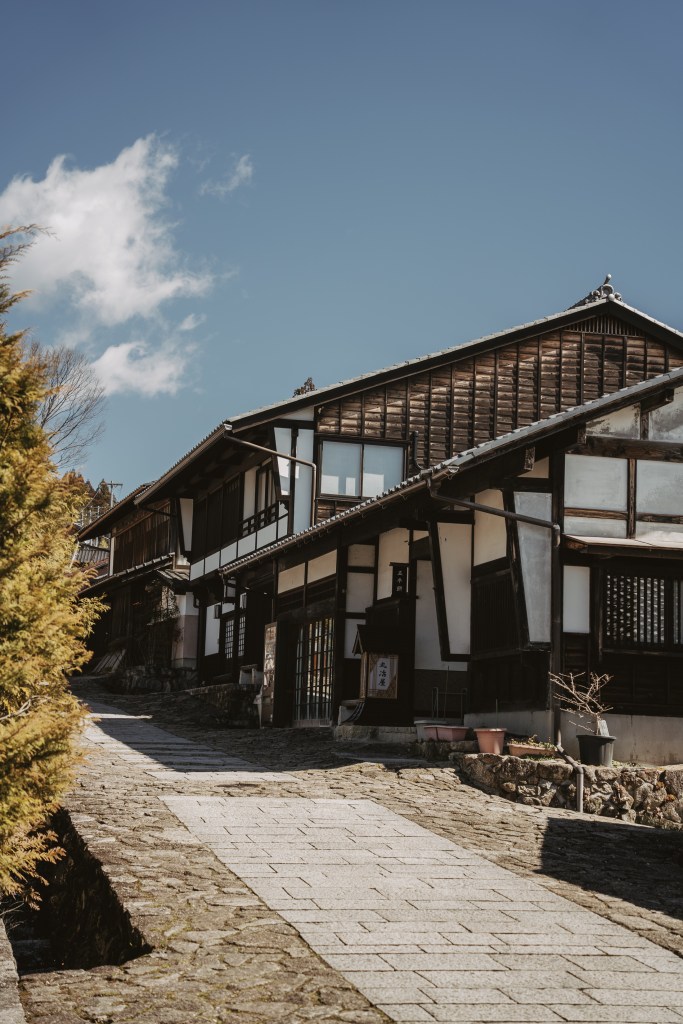
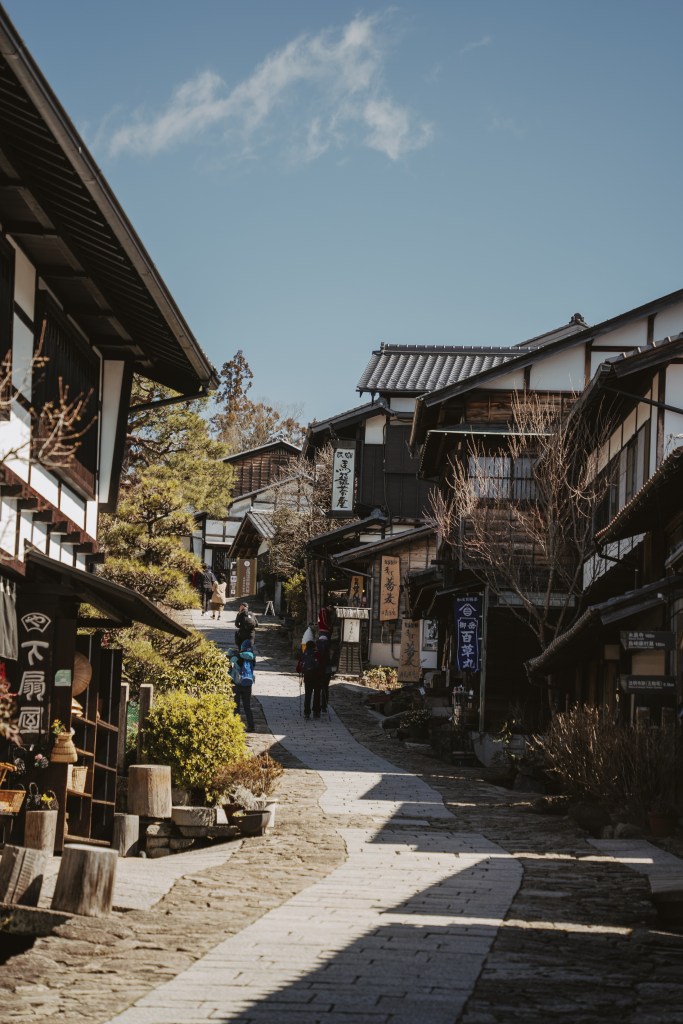

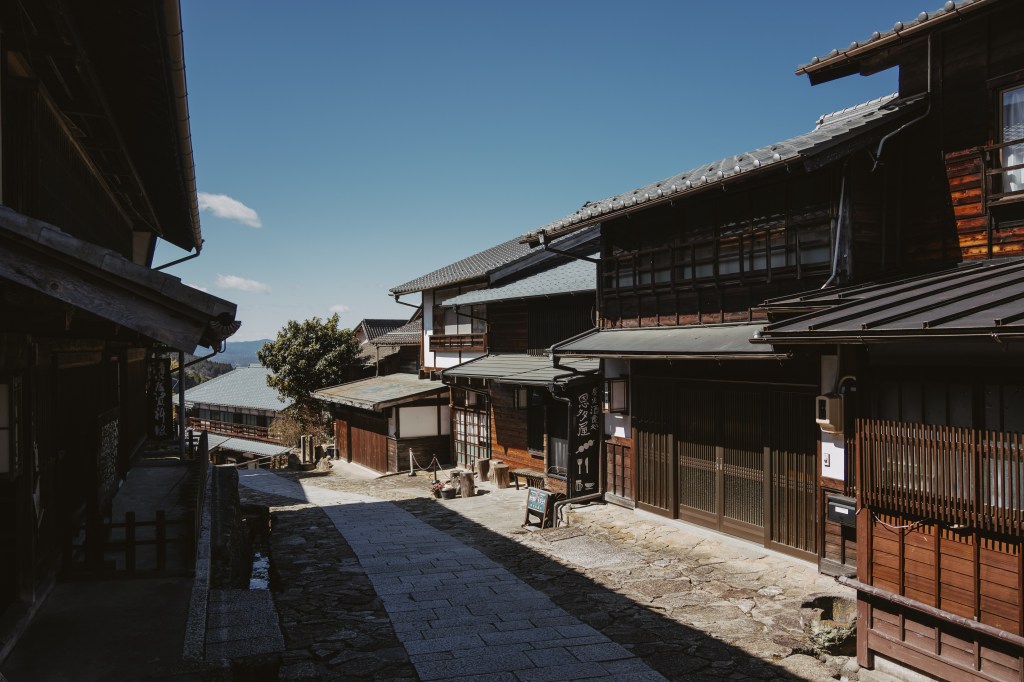
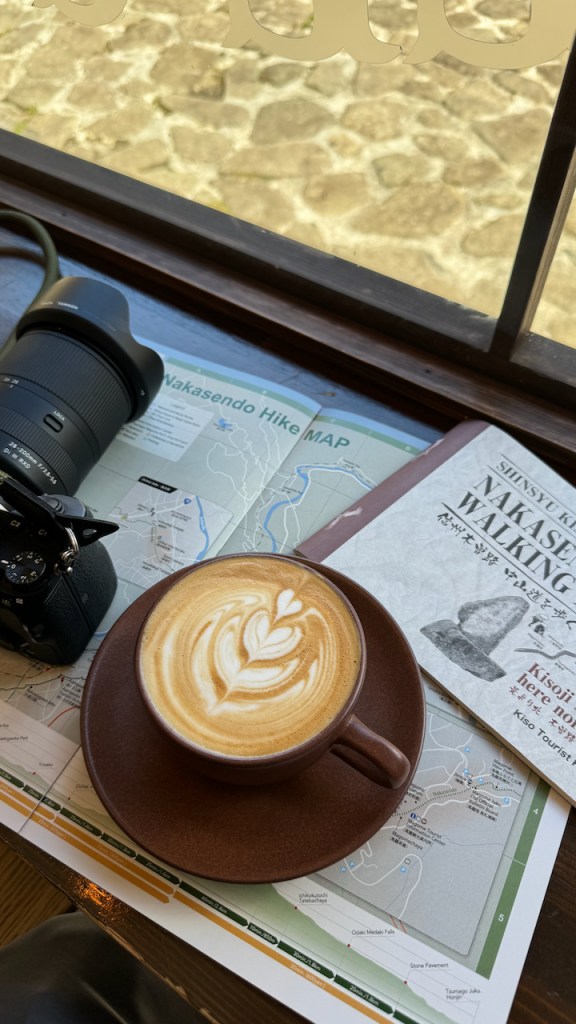

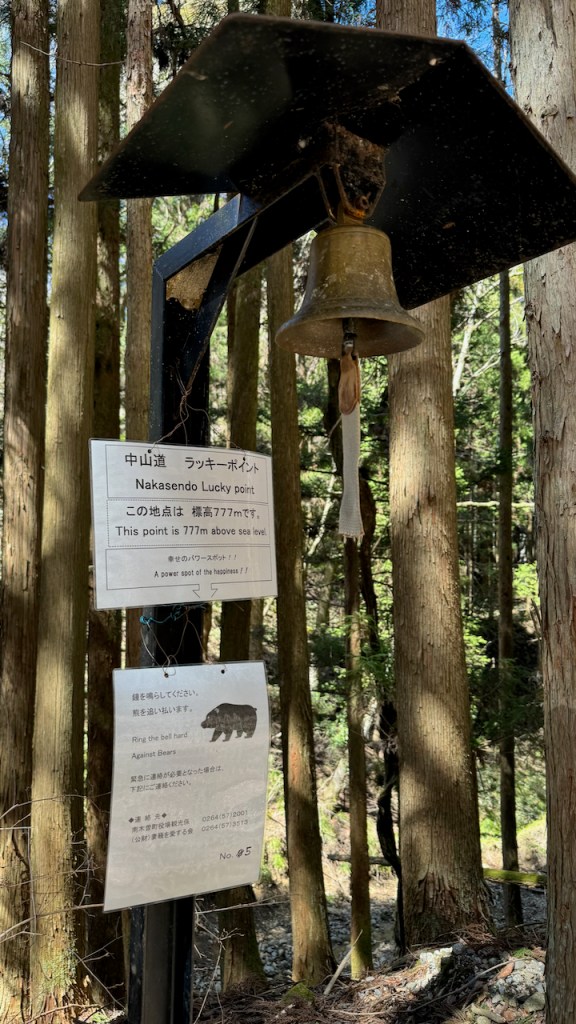


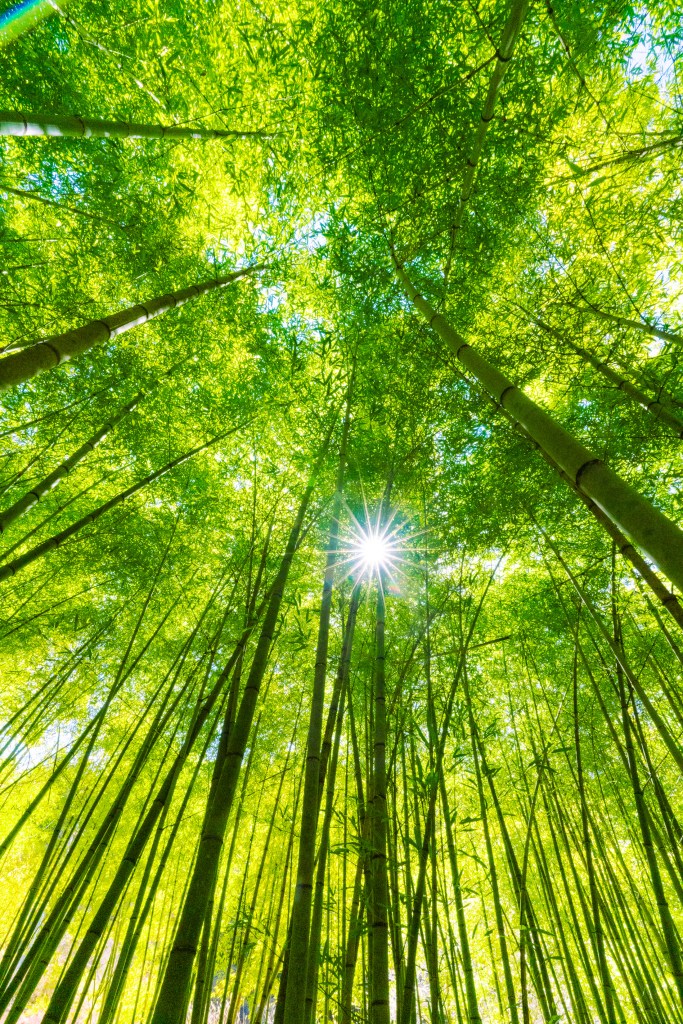
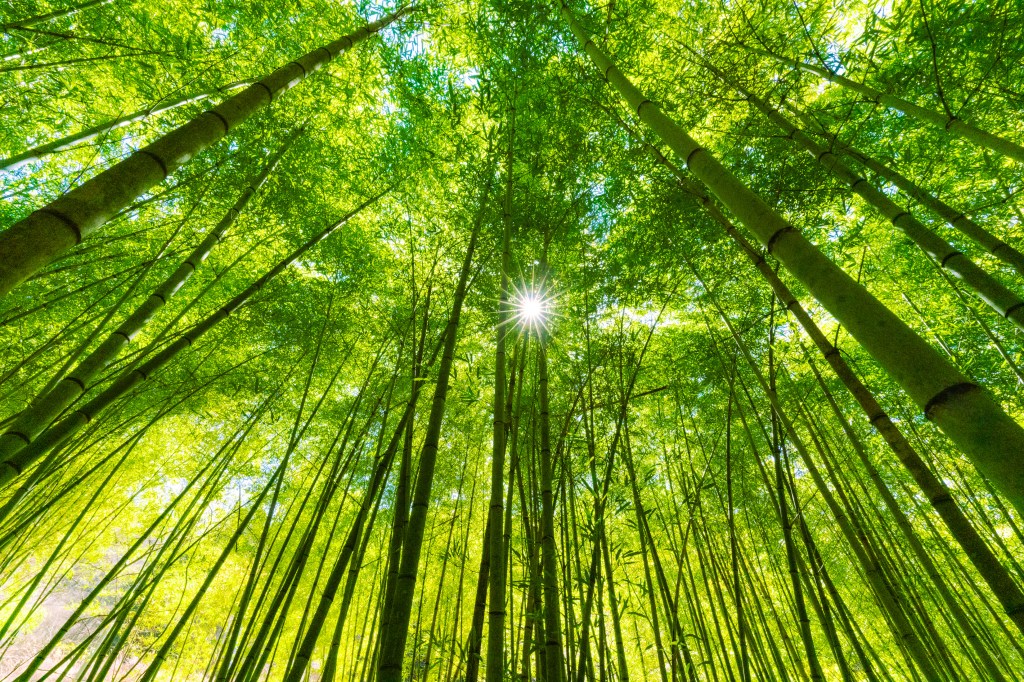
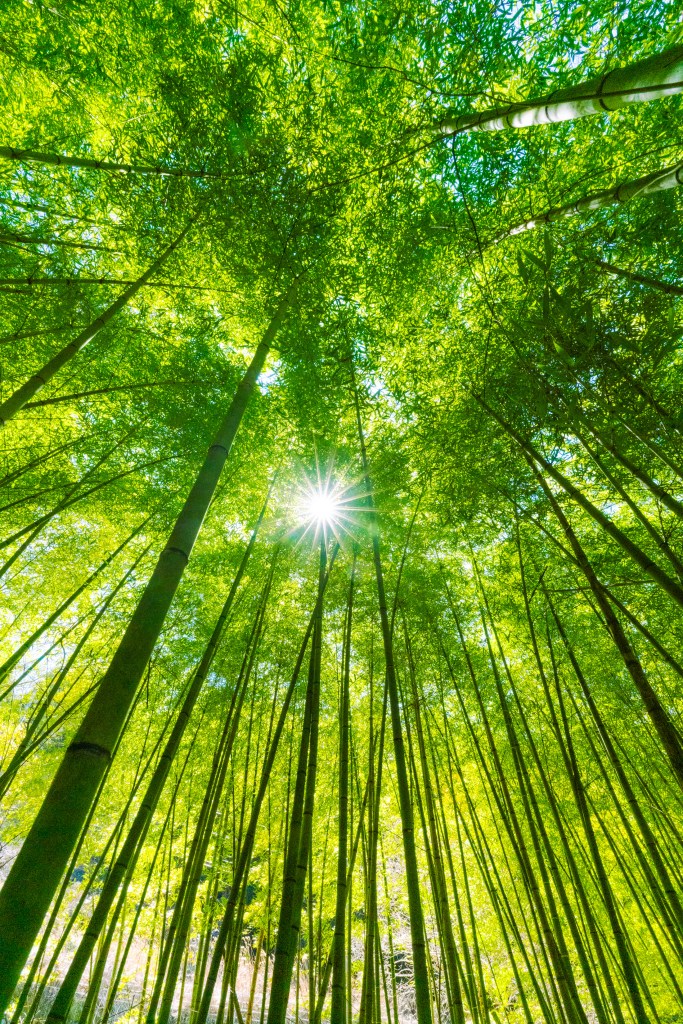
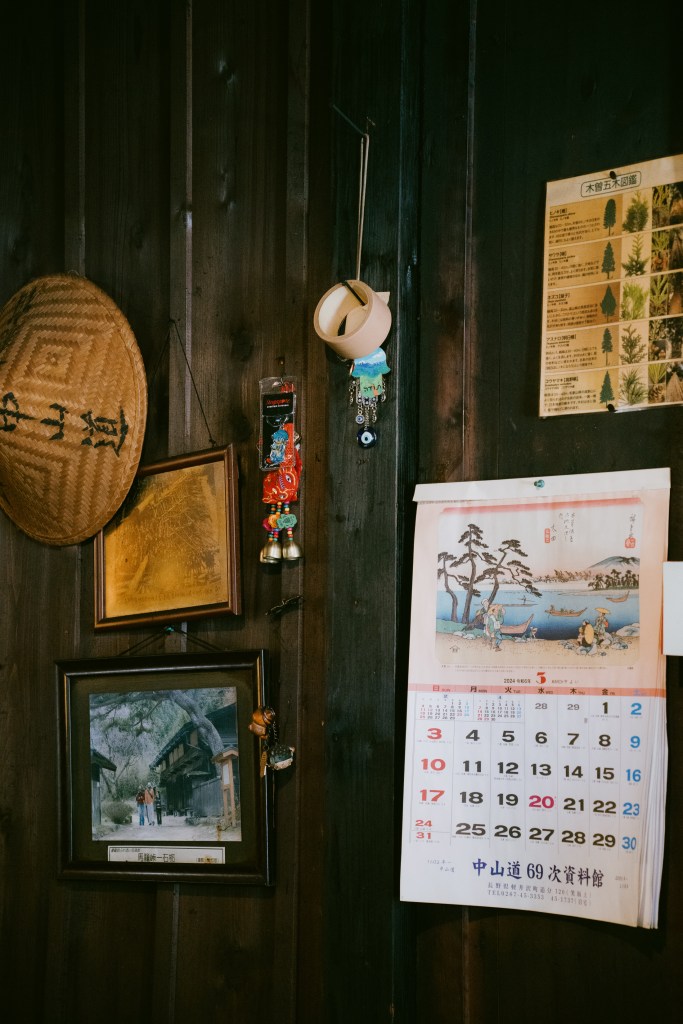
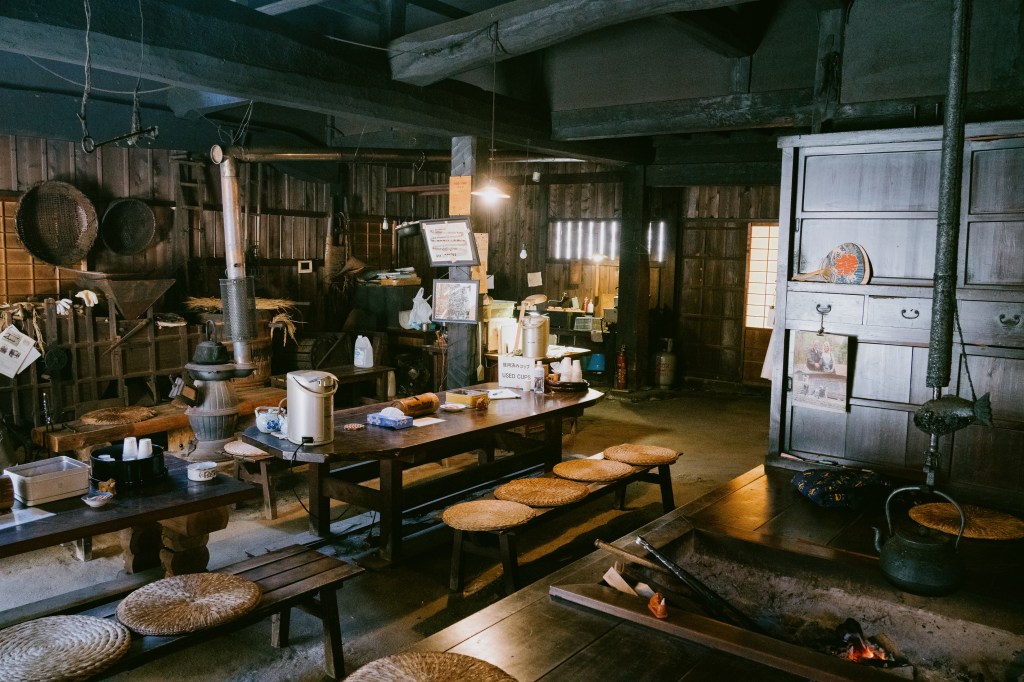
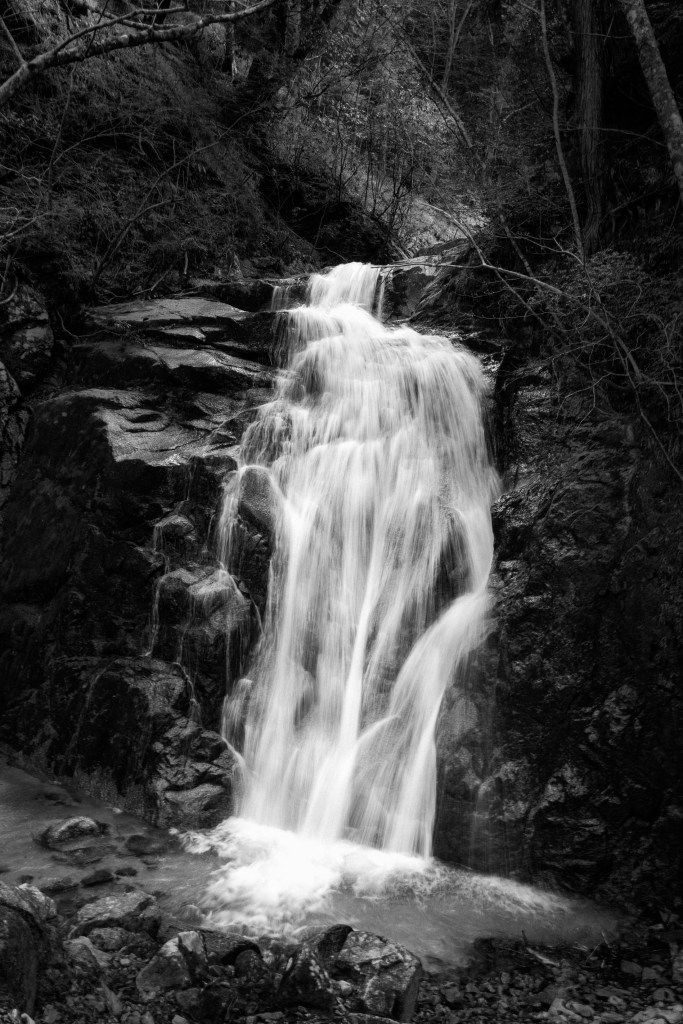
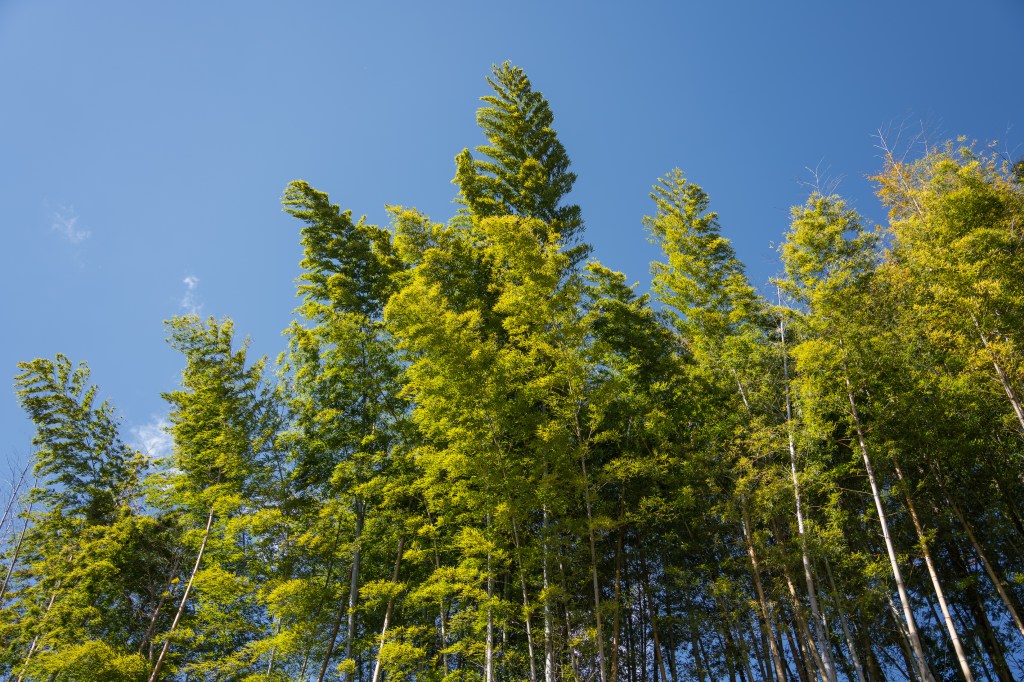
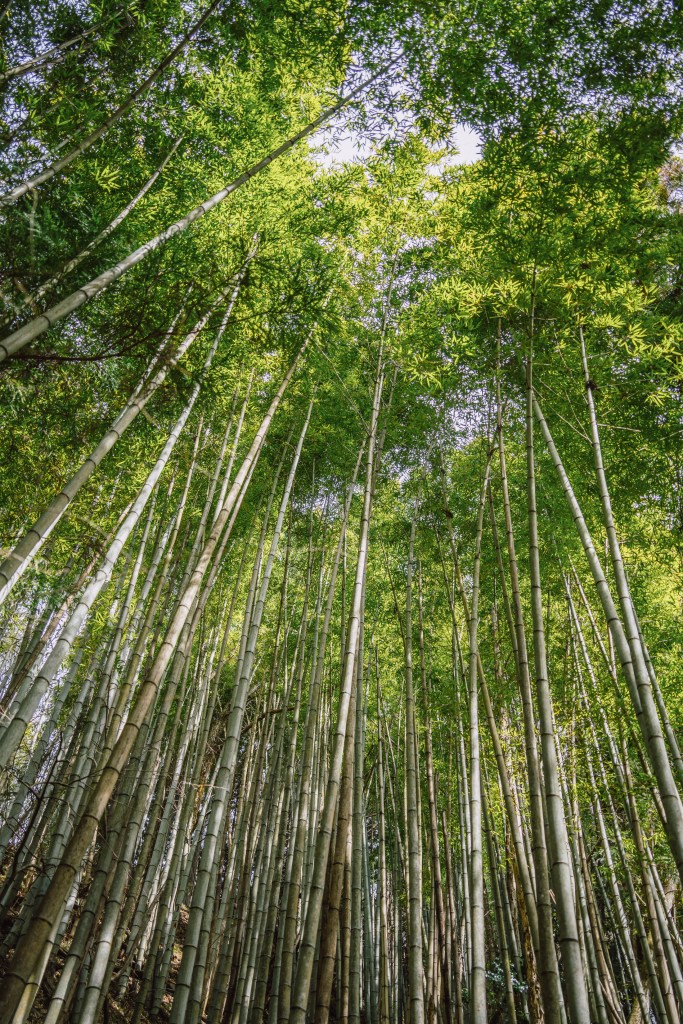
I chose a well-known segment of this trail in the Kiso Valley that would take about 4 days to explore. I began the journey in the post town of Magome. After a quick flat white at the start of town, I trekked (with all my gear!) across the mountains and forest to Tsumago. The hike crossed some beautiful waterfalls, thick bamboo groves, and many bear warning signs which had me on edge. Halfway through the mountain pass there is an old tea house which travelers back in the day would use to rest, have tea, and warm up before heading back on the trail. The owner here keeps things just as they were back then. A roaring fire kept the rustic building warm and he brewed fresh tea for visitors passing through. All for free! It was great to sit in this historic building and contemplate the visitors that have passed through here over hundreds of years and the stories that the walls could tell.
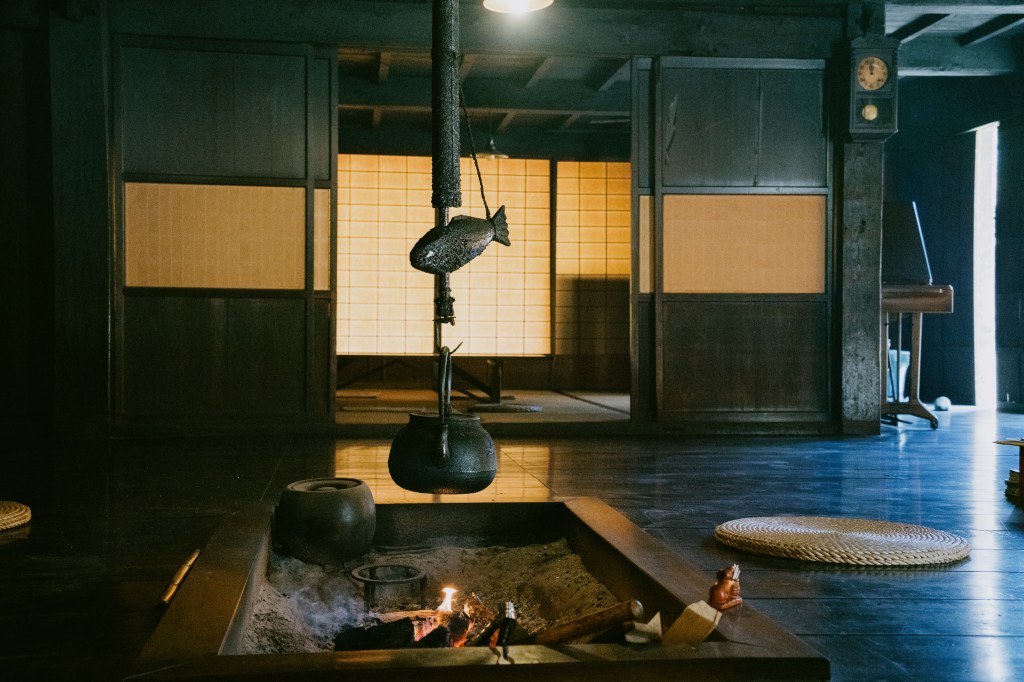
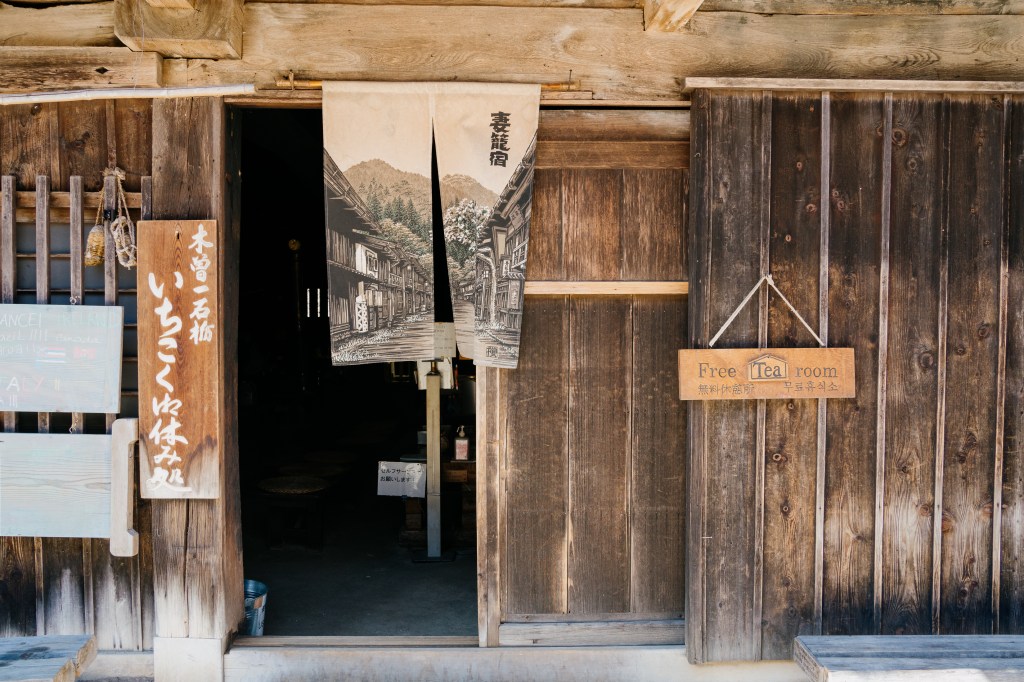
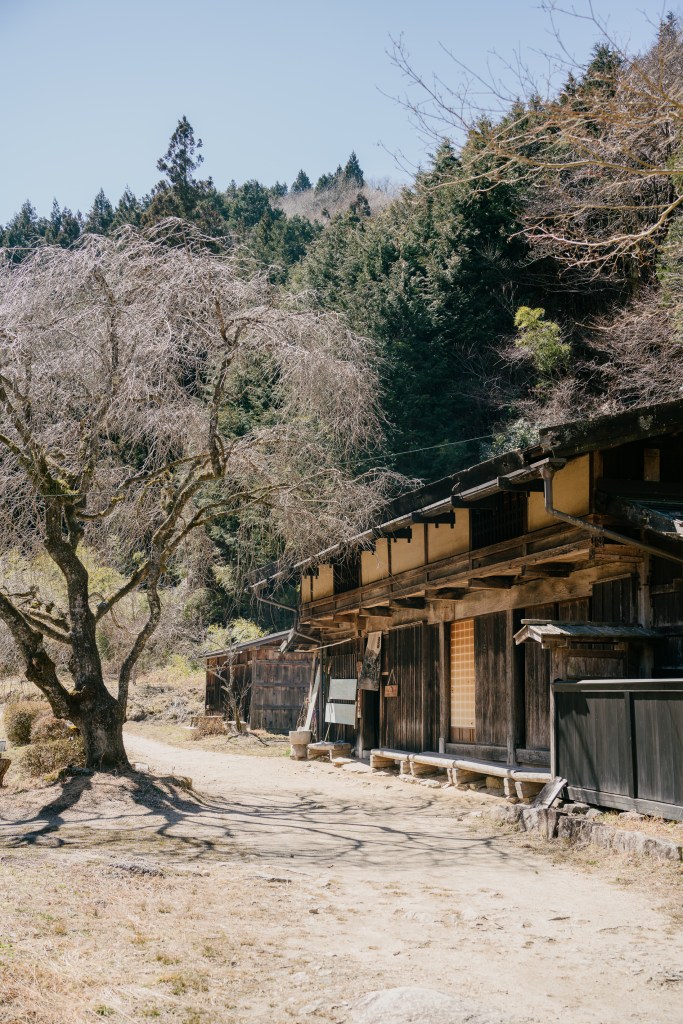

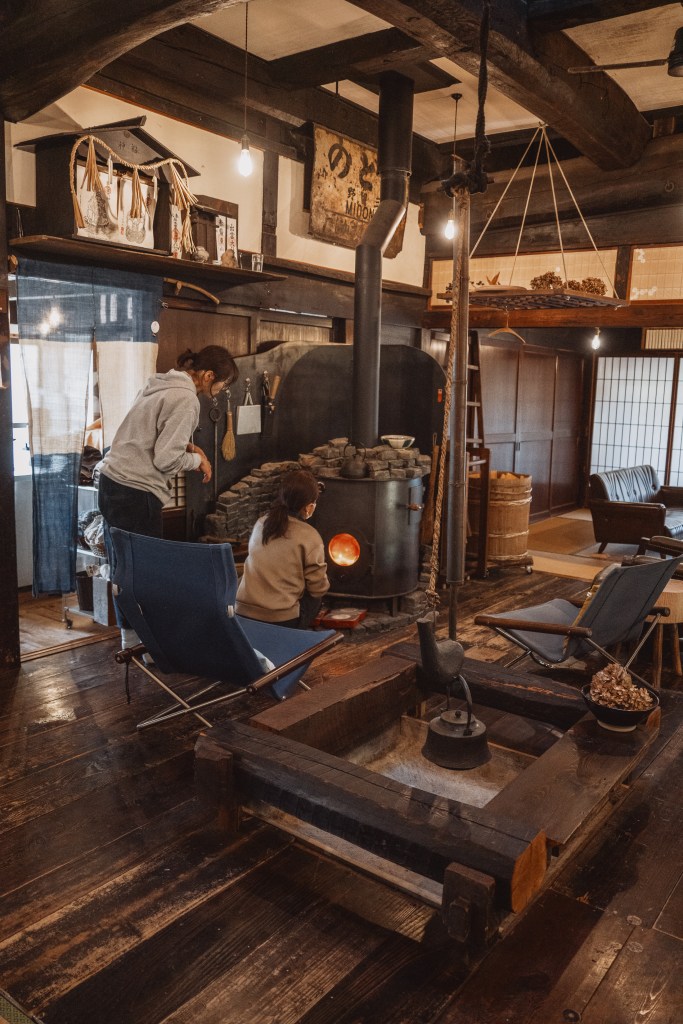
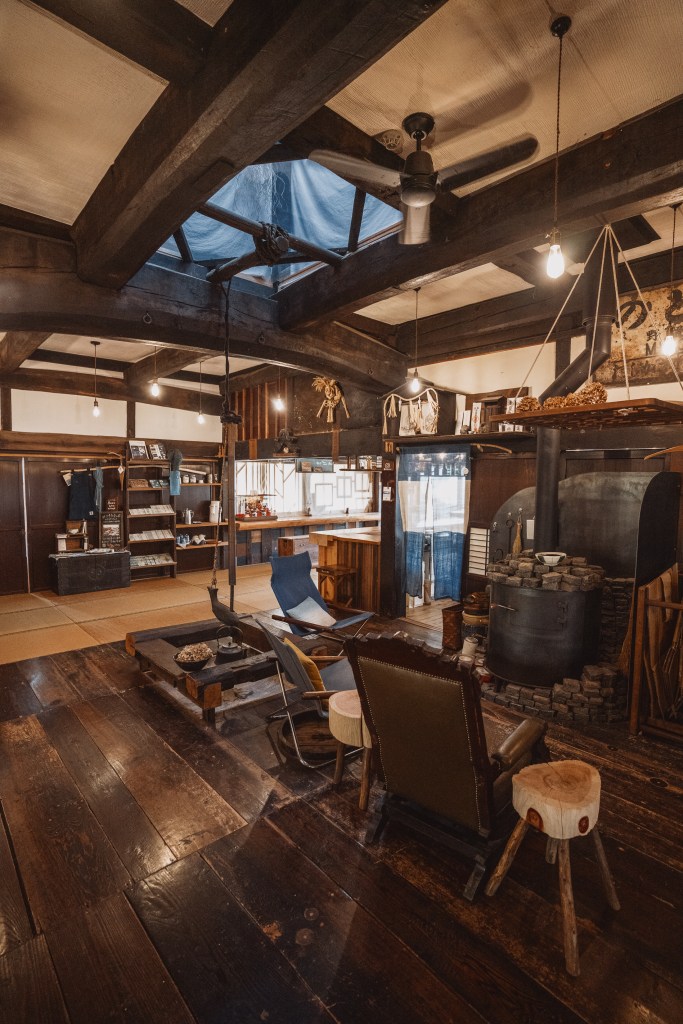
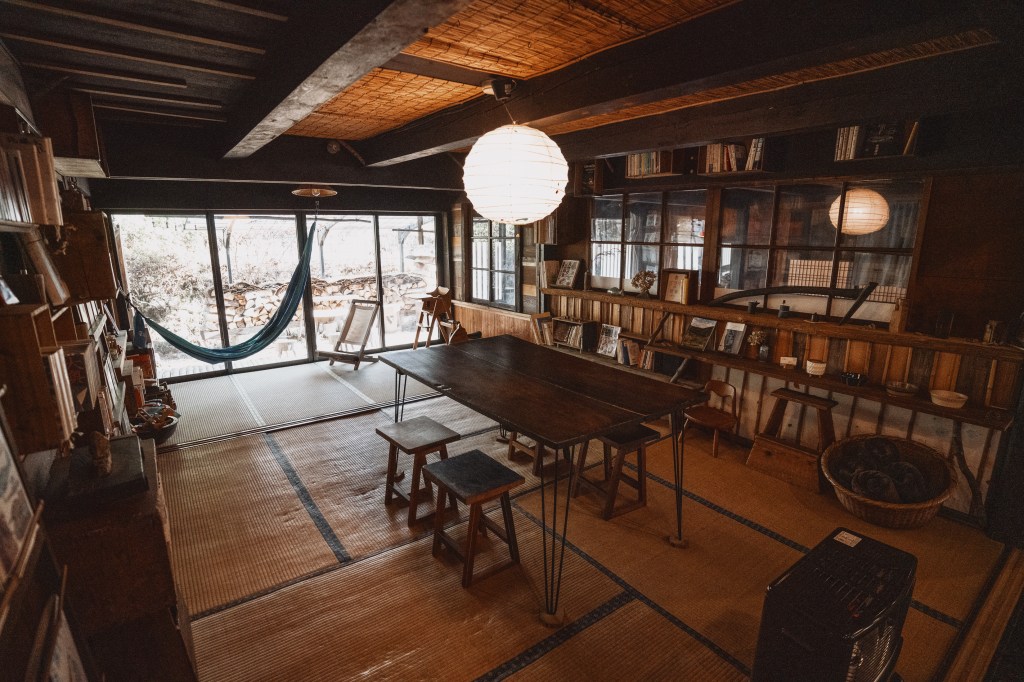
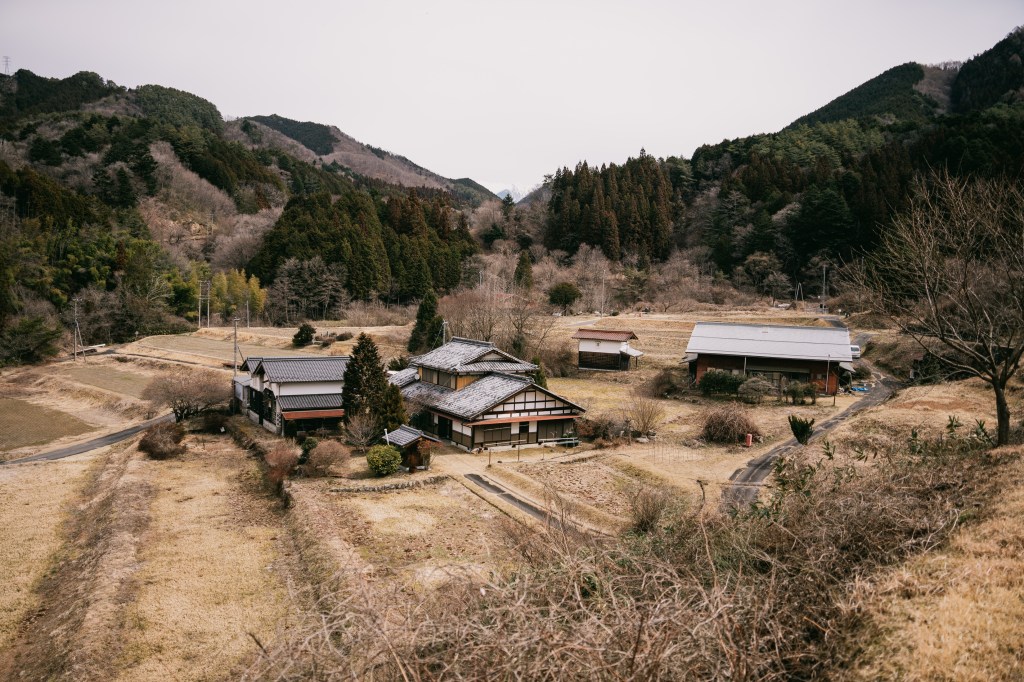
After many hours, I eventually reached Tsumago which was a bit busy with tourists but it was great to walk through the old town area. As soon as I left the town it was just me and the trail and not another person in sight. It was a long hike but I eventually made it to my destination for the first night, a remote hostel nestled at the top of a hill, surrounded by farmland. This building was hundreds of years old and the owner recently purchased it and meticulously restored it so beautifully, keeping most of the original design but integrating stunning woodwork and design to bring it up to date. The hostel was run by a couple of girls and they welcomed me in and showed me around while keeping a roaring fire going as it was still quite brisk. The main girl had moved from Tokyo to be closer to nature and help run the hostel. Only a few private rooms are available to book so it was perfectly cozy.
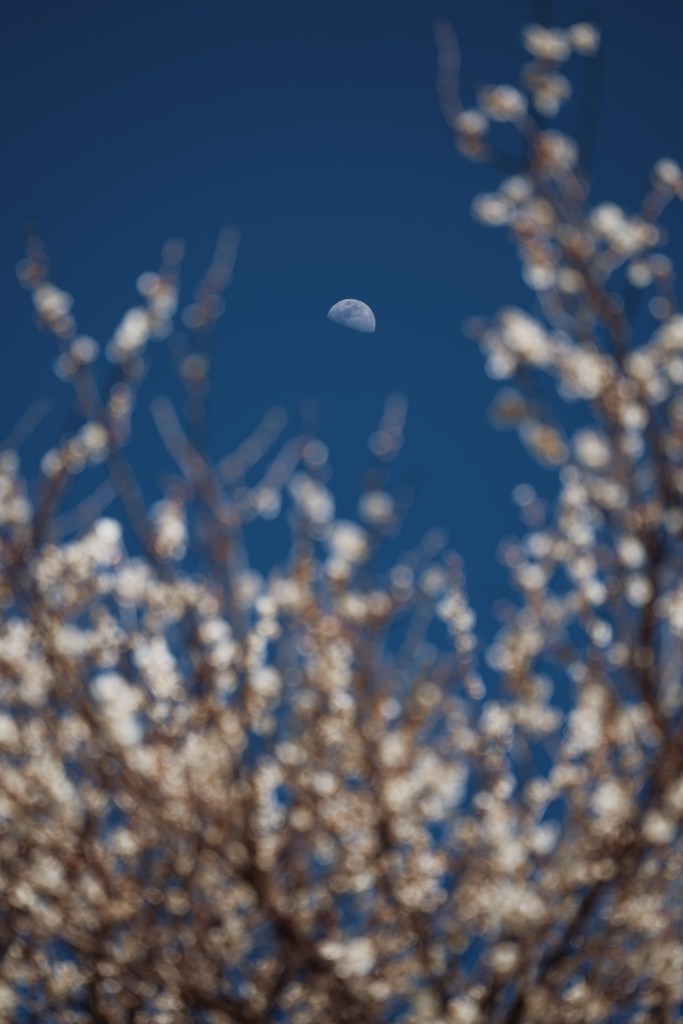
I soaked my sore legs in their custom built cedar bath and spent the afternoon next to the fire, gazing out the large windows and reading my book. Eventually a couple other groups made it to the hostel and settled in. One couple from New Zealand and another from the UK. I would end up seeing the couple from the UK for the next several days as we somehow ended up on the same itinerary and hotels so we would enjoy several meals together that week.
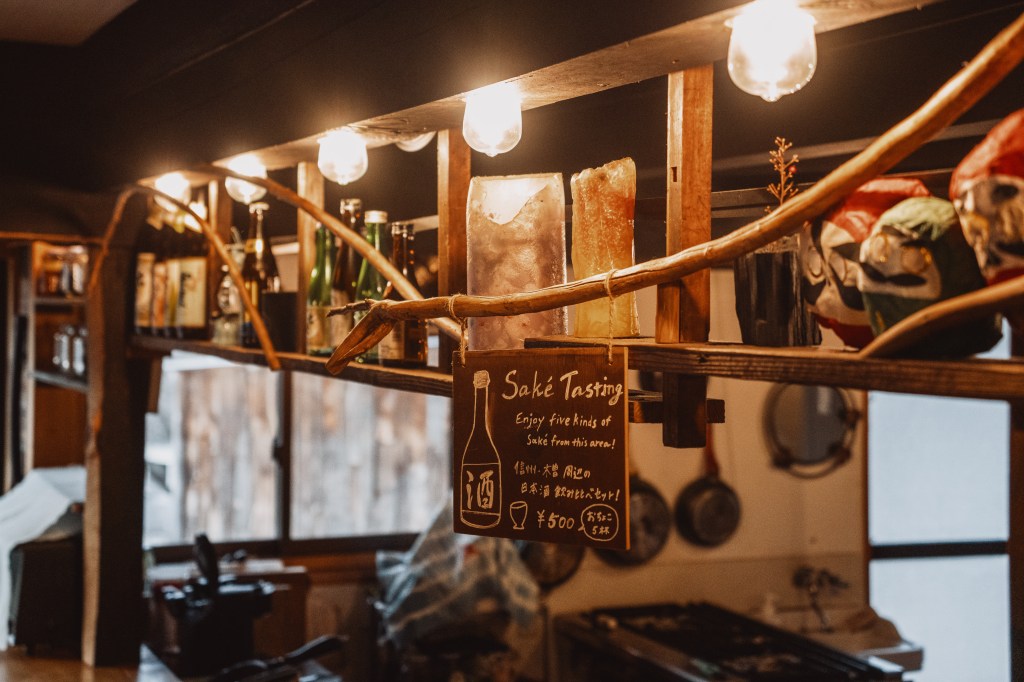
The food for the night was a delicious homemade curry and I added in a sake flight. I stayed up asking the girl (I think her name was Anna) many different questions about Japan and life in the remote areas. Eventually I tucked away into my futon and tried to stay warm through the cold night. Japanese homes have horrible insulation so they get quite freezing!
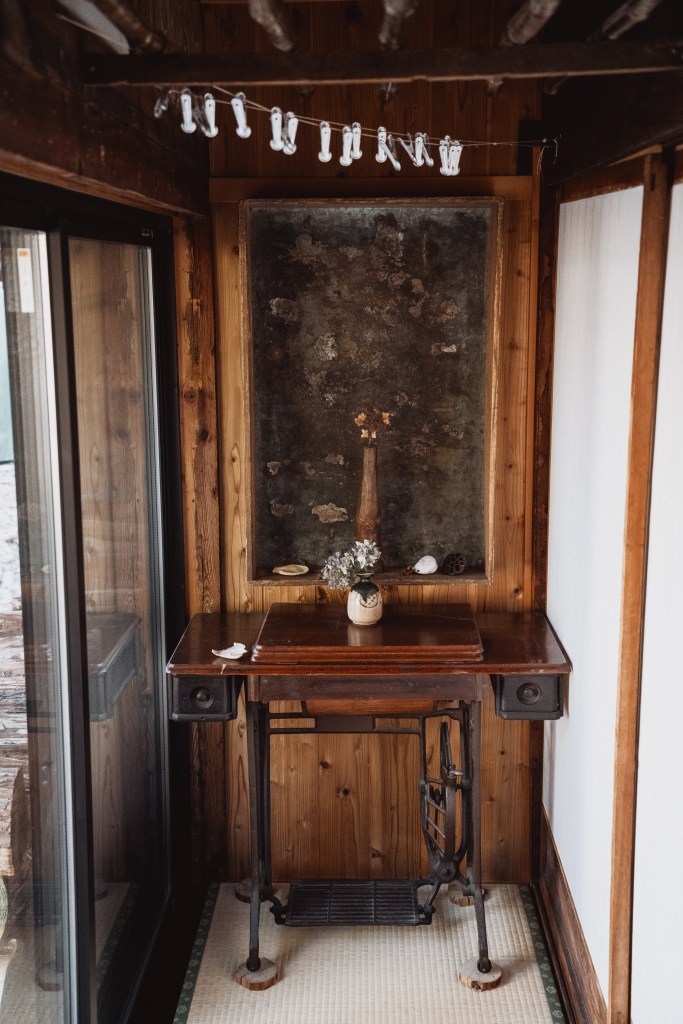
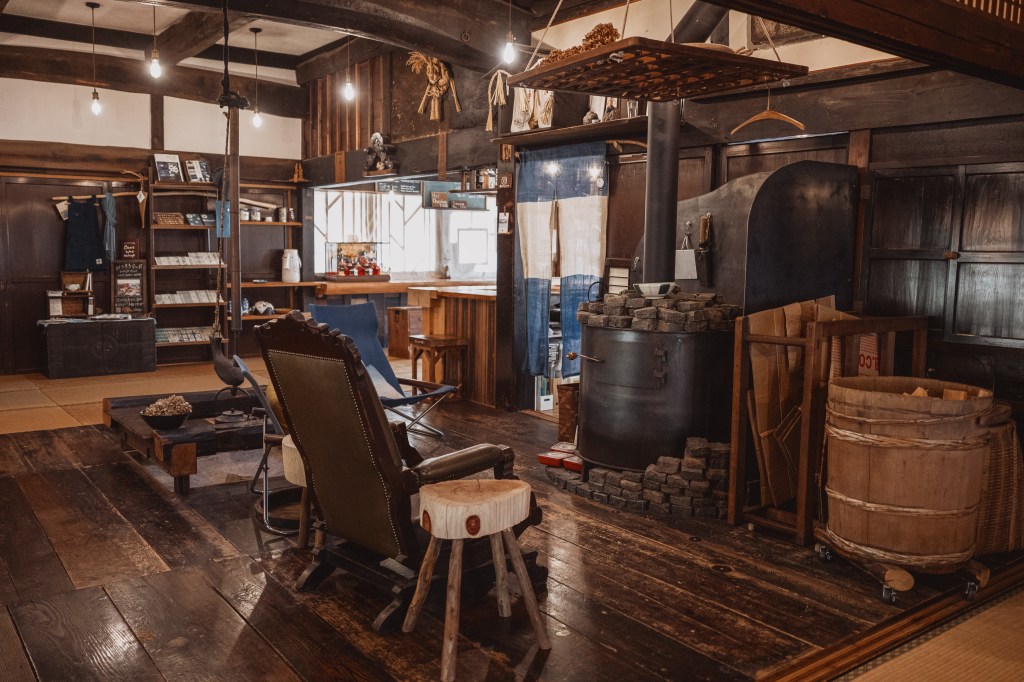

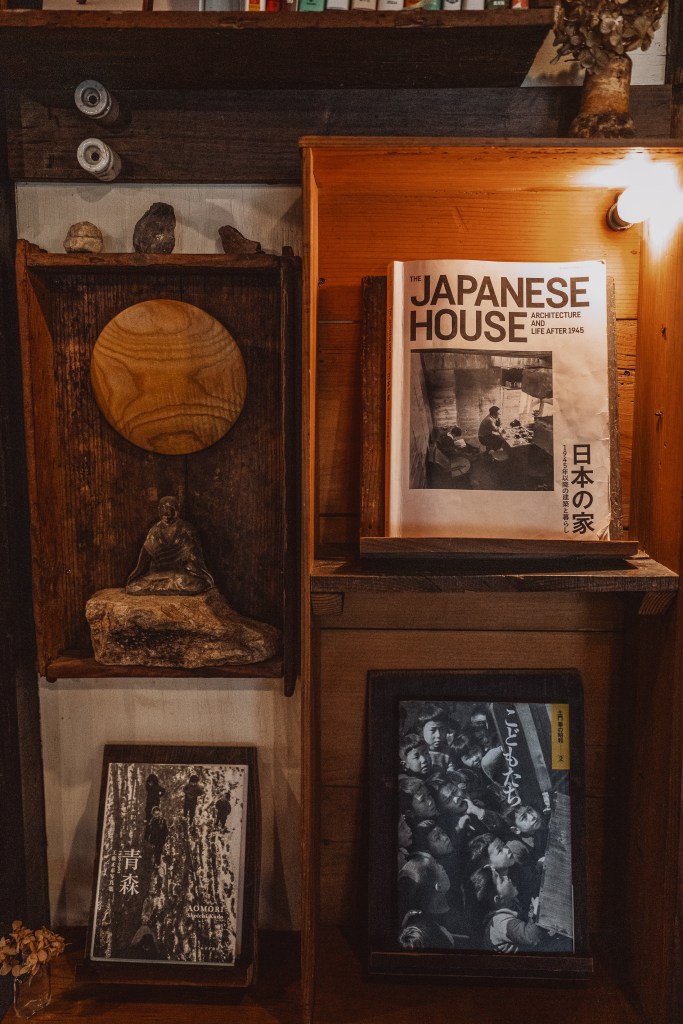
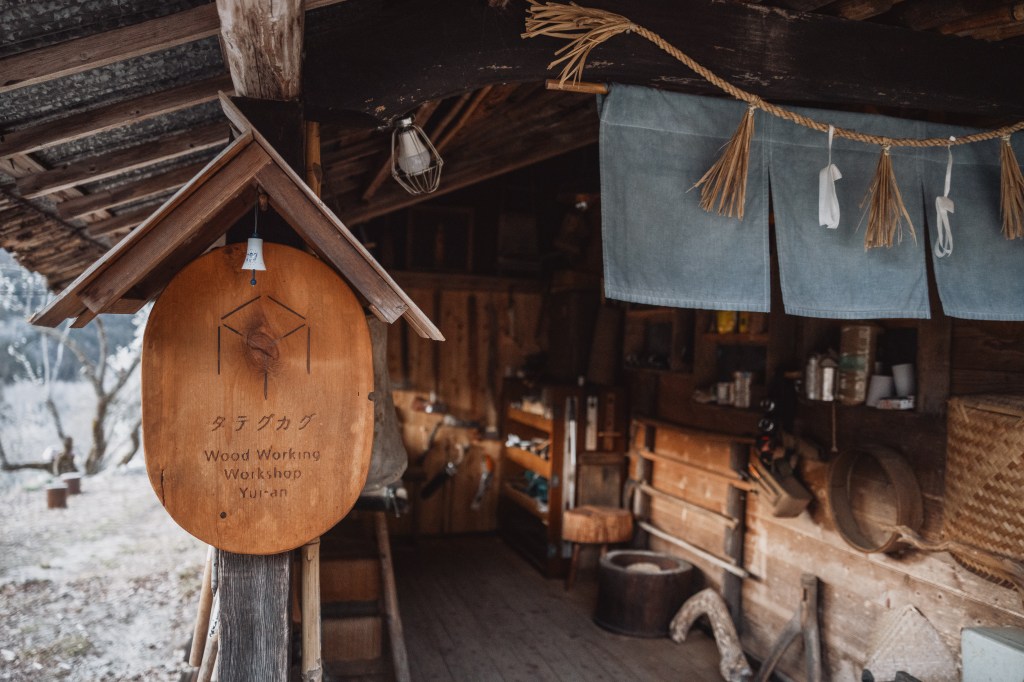
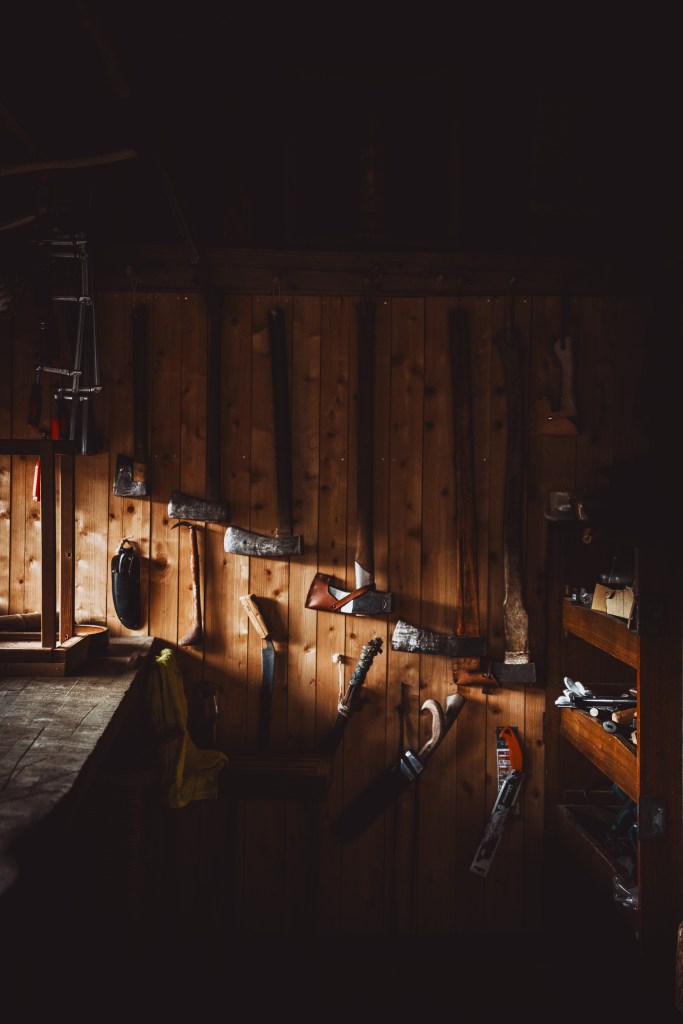
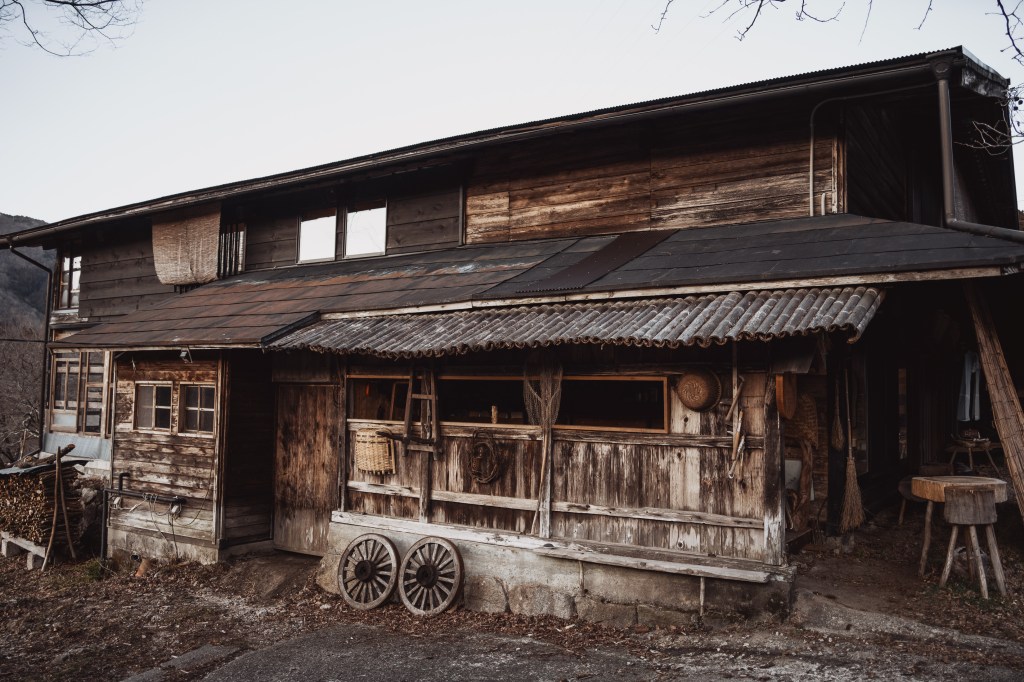

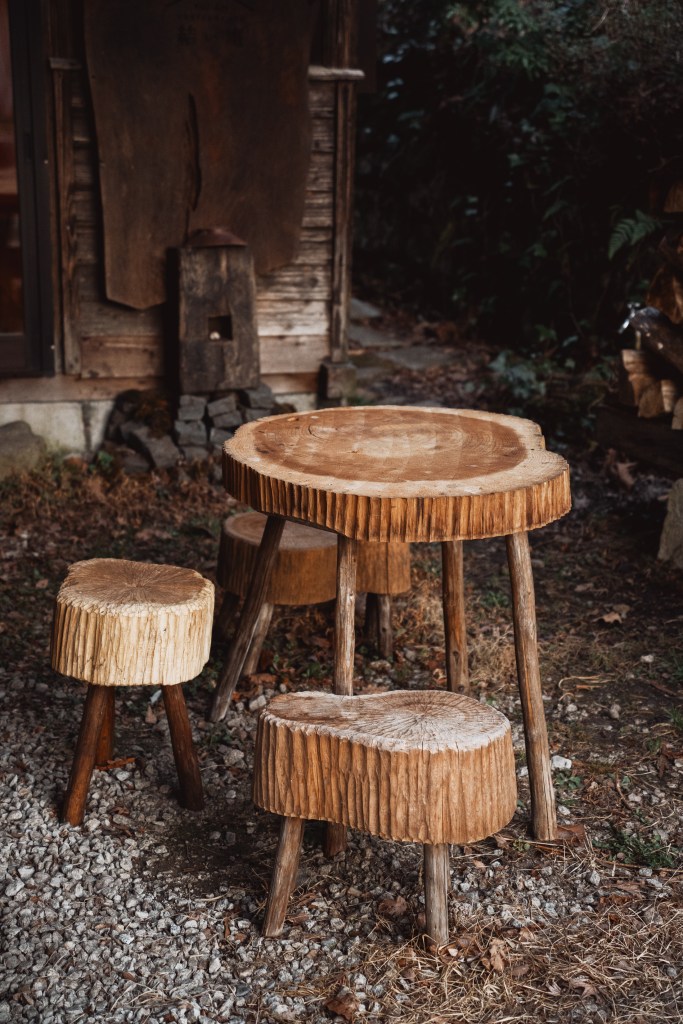

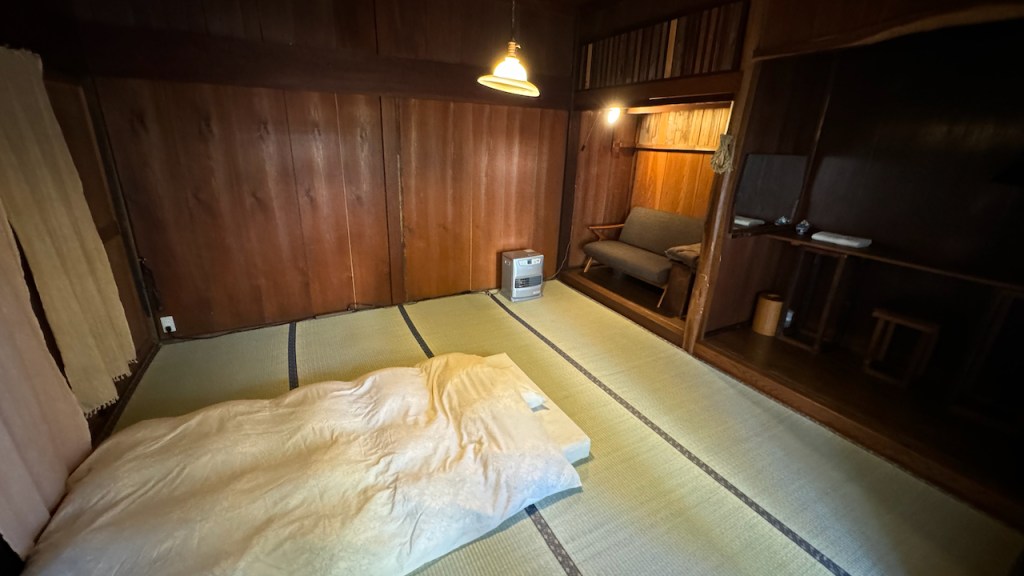
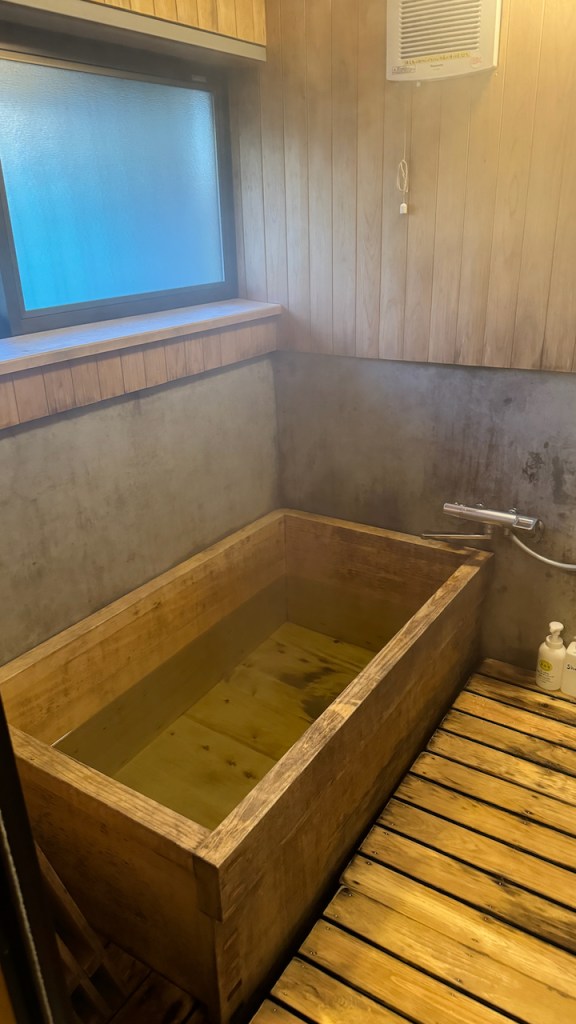
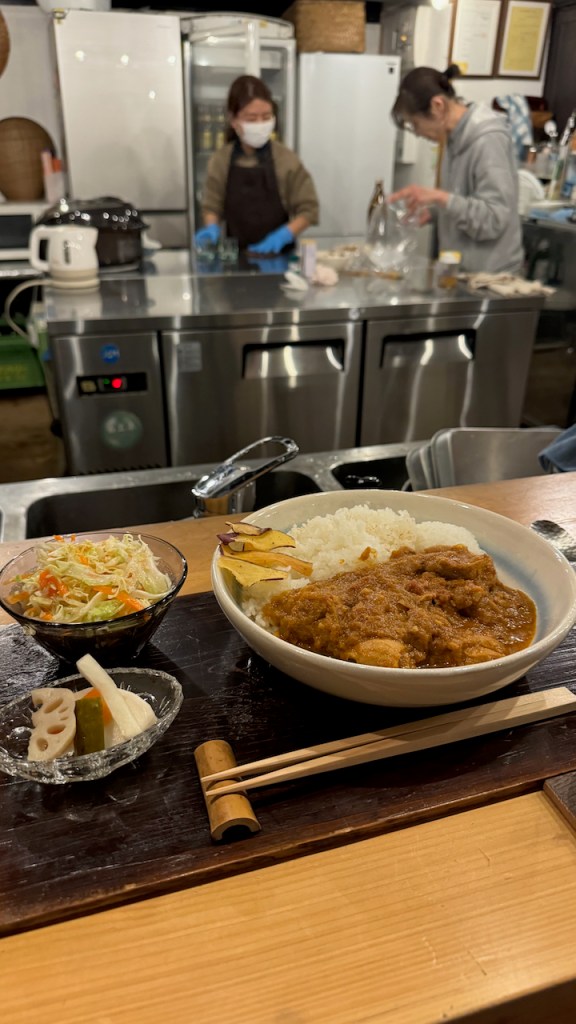
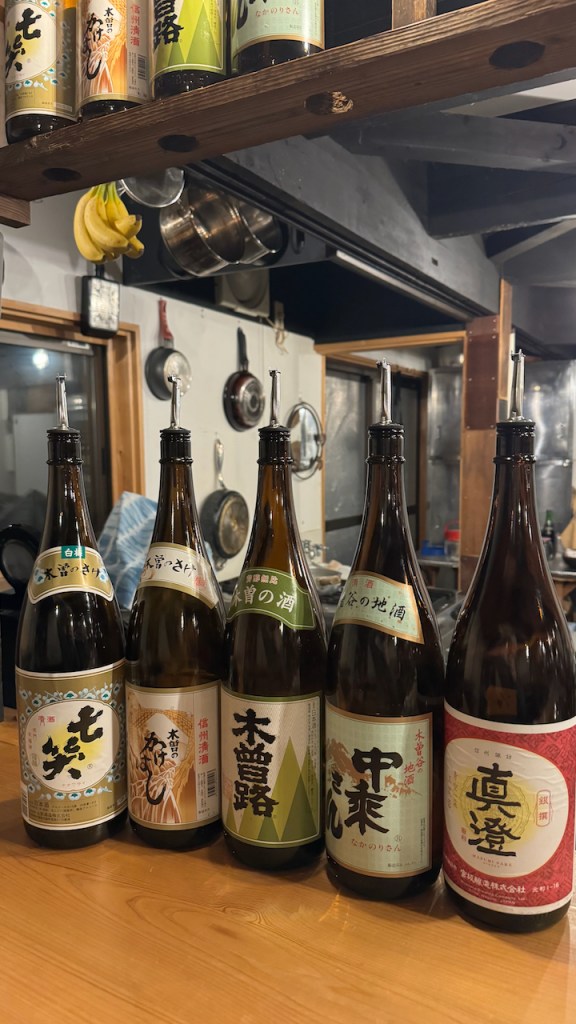
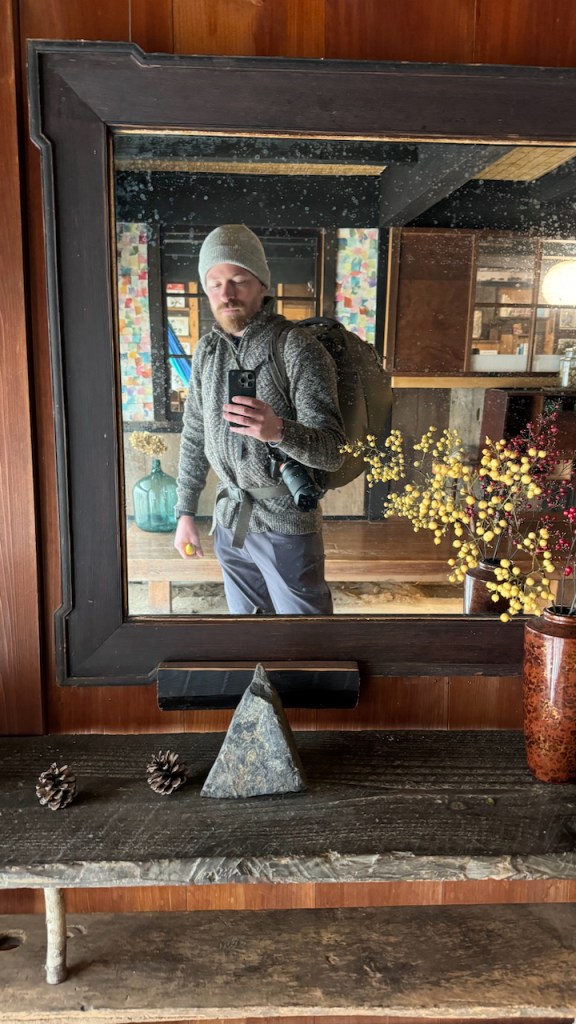
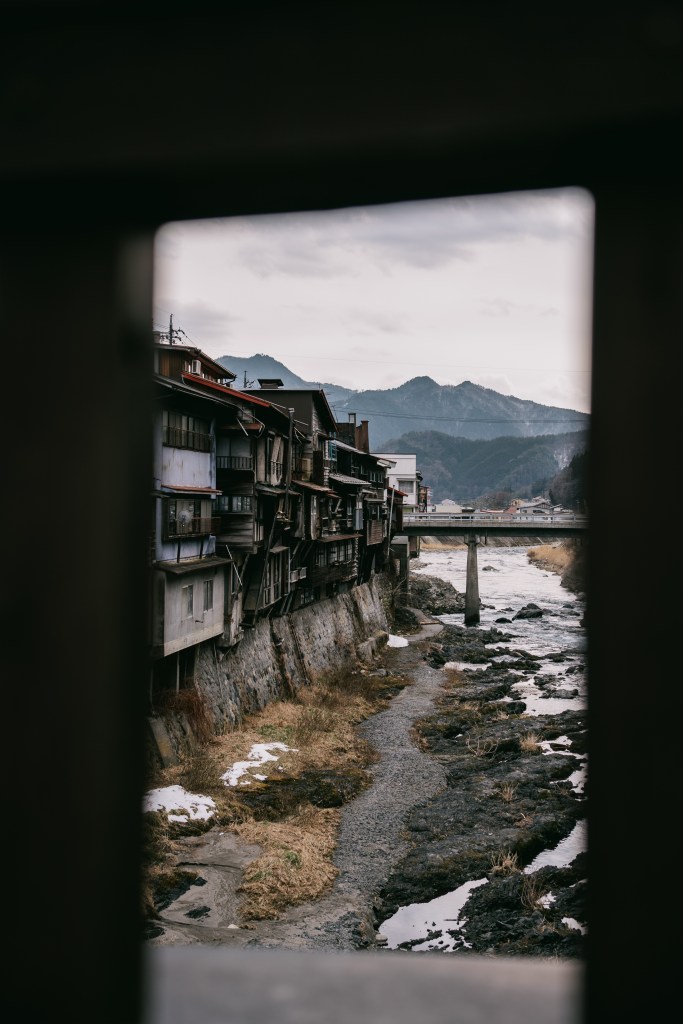
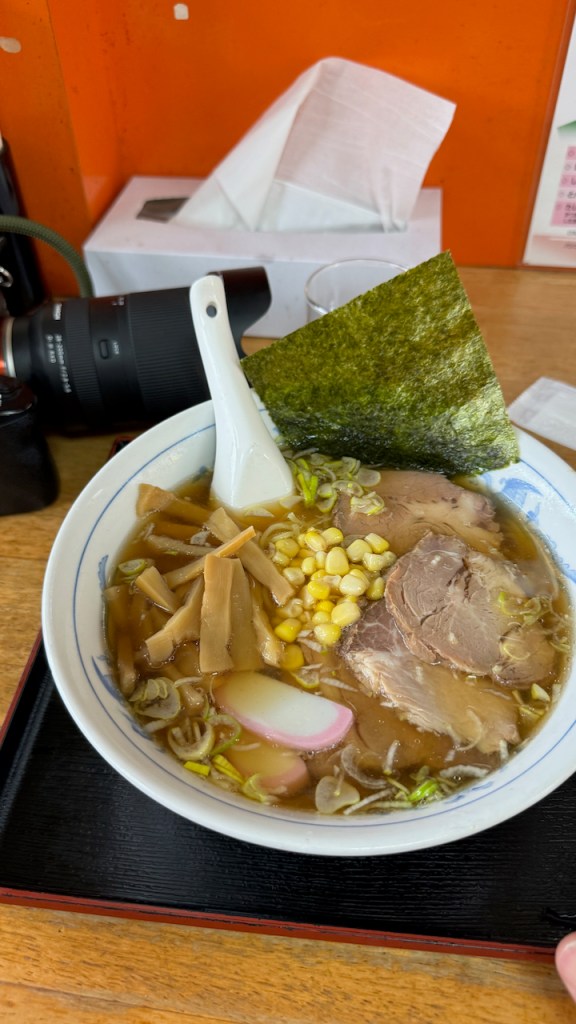
I didn’t want to leave the hostel..I could have stayed here a week enjoying the slow days. I only booked one night though so it was time to get back on the trail. This was to be the most challenging hike of the journey…a long push up and over a densely forested mountain pass and back into the valley where I would need to catch one of the infrequent trains to get up to the next town. The trek weaved through farmland and traditional Japanese homes. I was a bit nervous about bears and I didn’t have a bear bell so I tried to be as loud as possible, singing random songs and banging a stick on random objects to make sounds so as to not surprise a bear. Eventually I made it up and over the pass and down to the train station in Nagiso where I had a quick coffee with the couple from the hostel and we got on the train to Kiso-Fukushima. This town was a bit larger and had more residents and shops. I devoured a cheap ramen and then checked into my hotel. The hotel (and town) was a bit dated but the room was large and had a great view of the river below. The onsen was awesome as well!
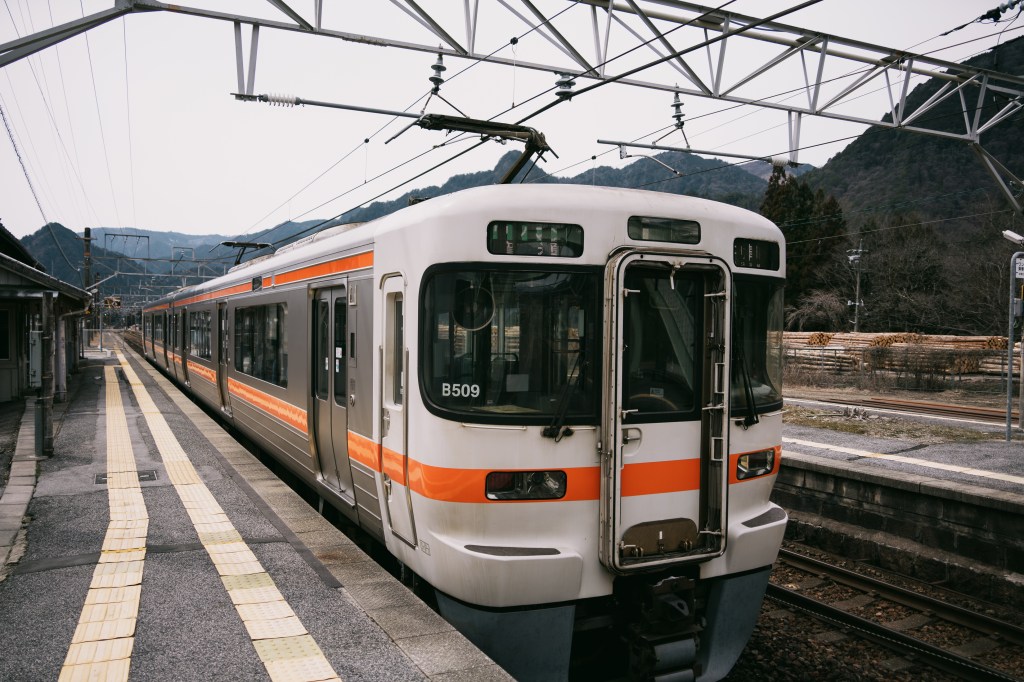
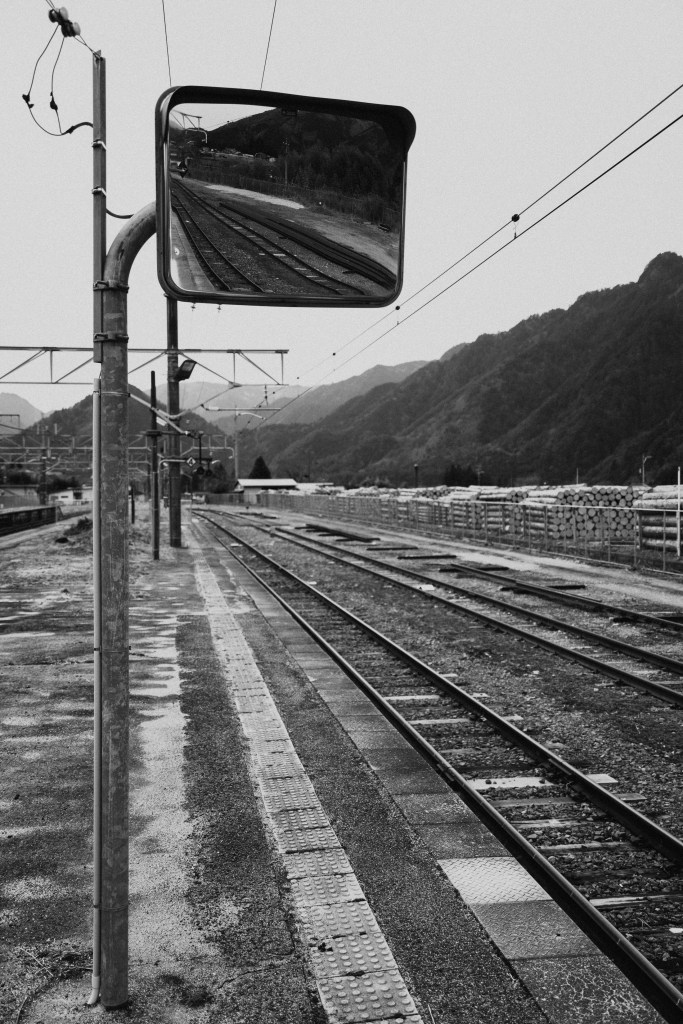
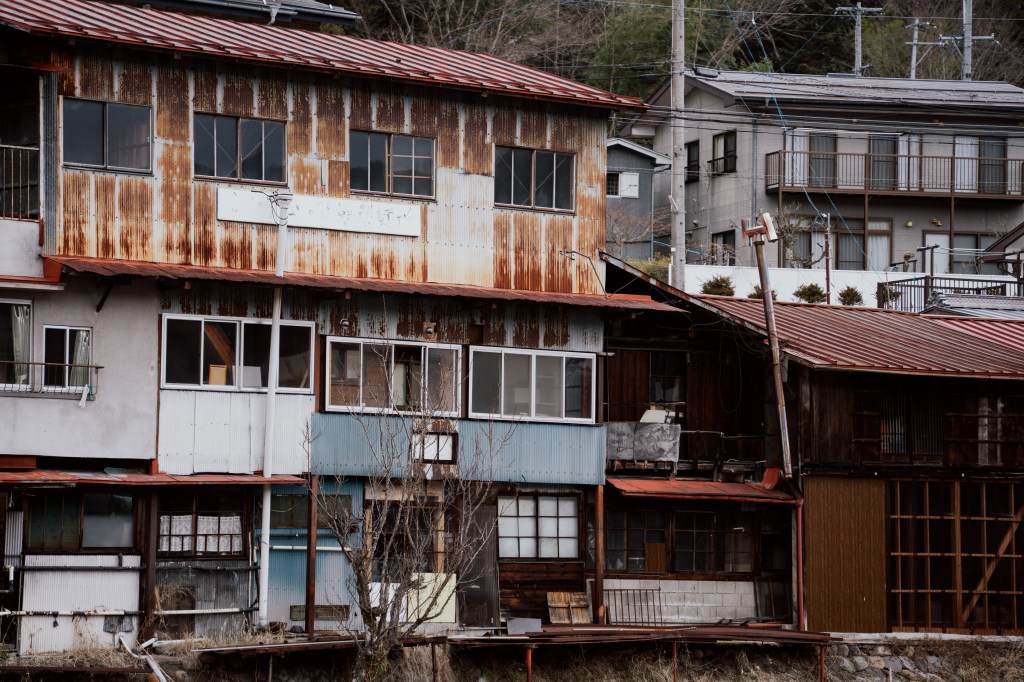
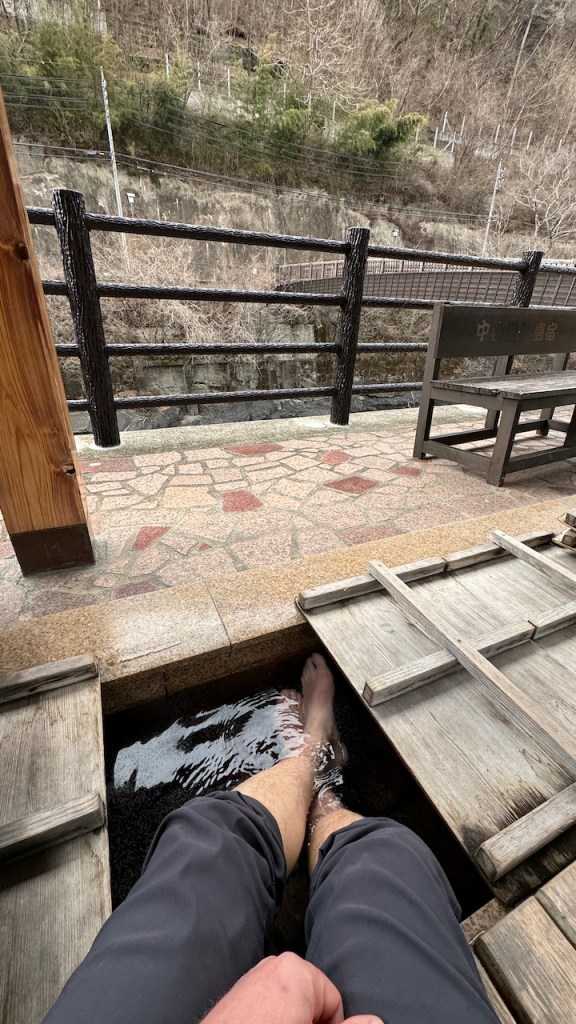

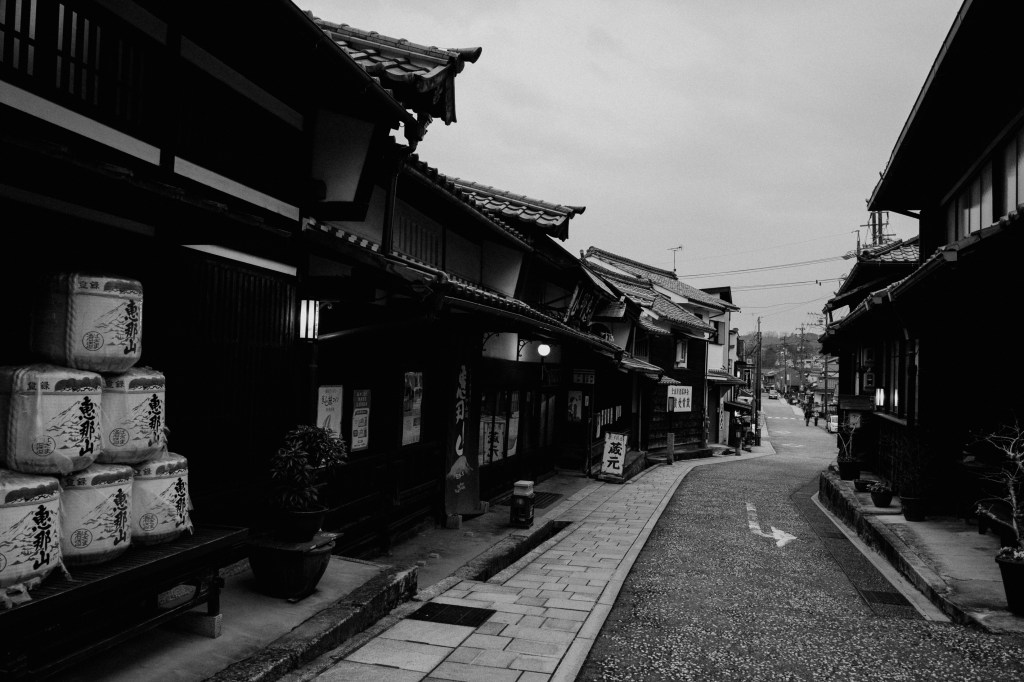
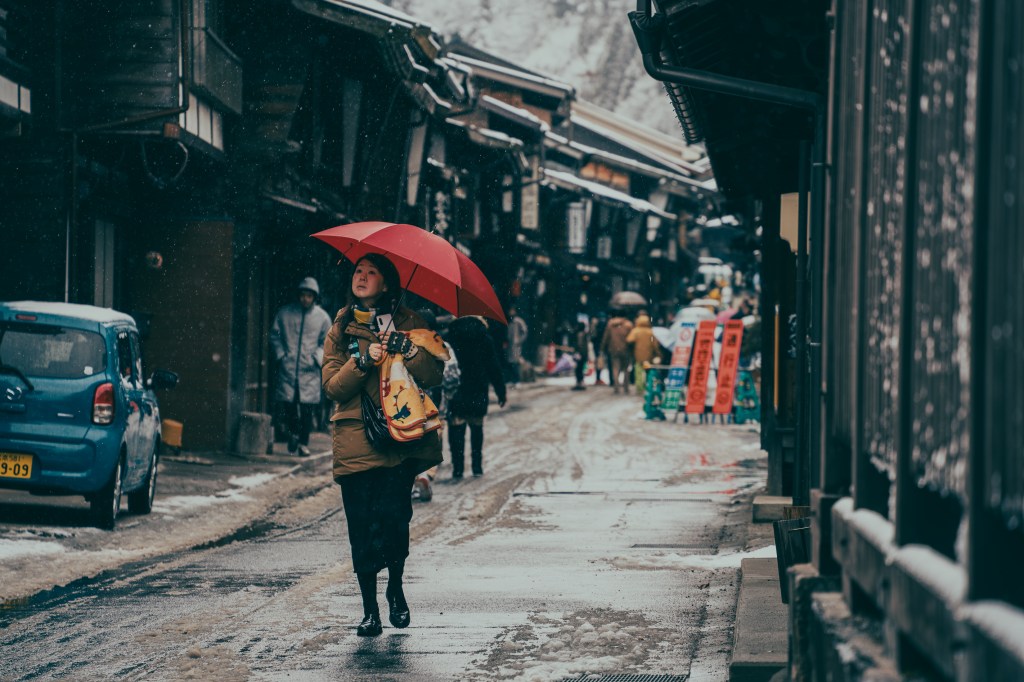
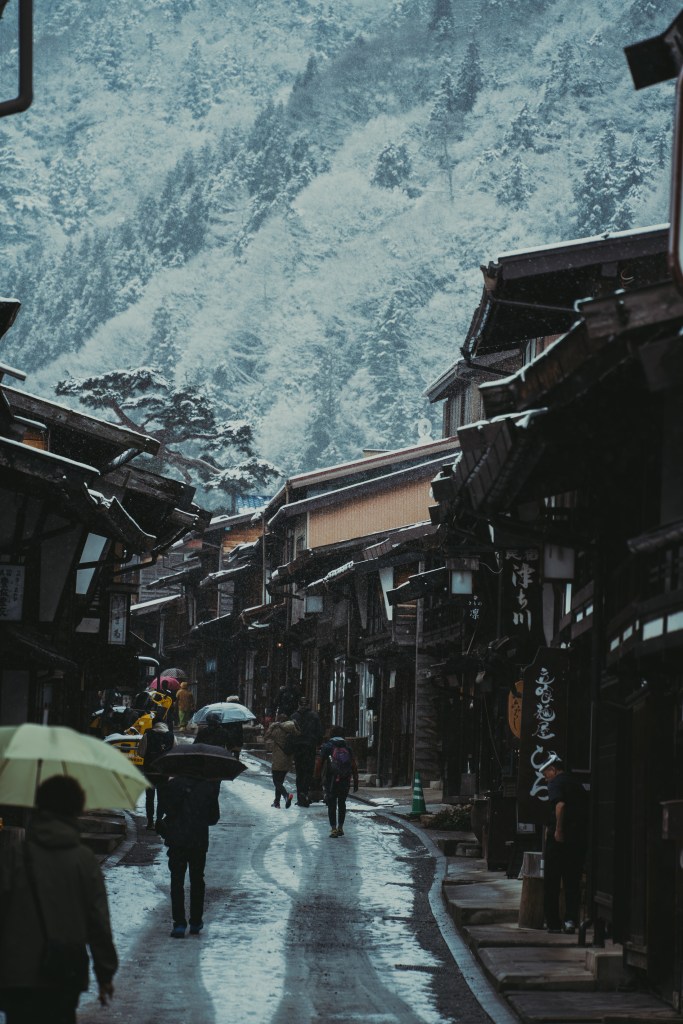
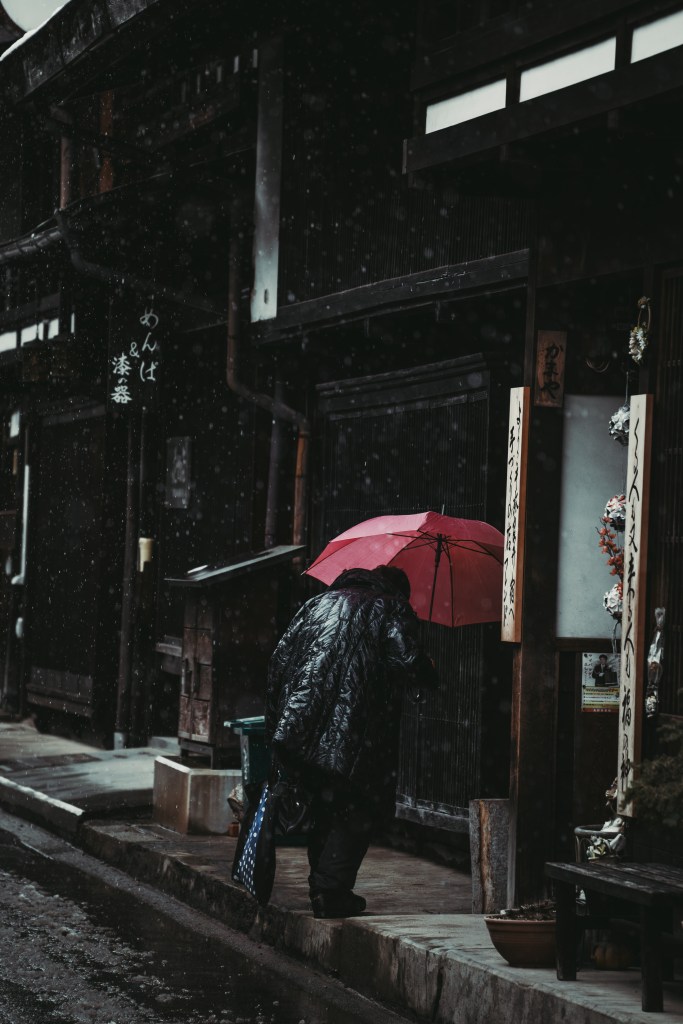
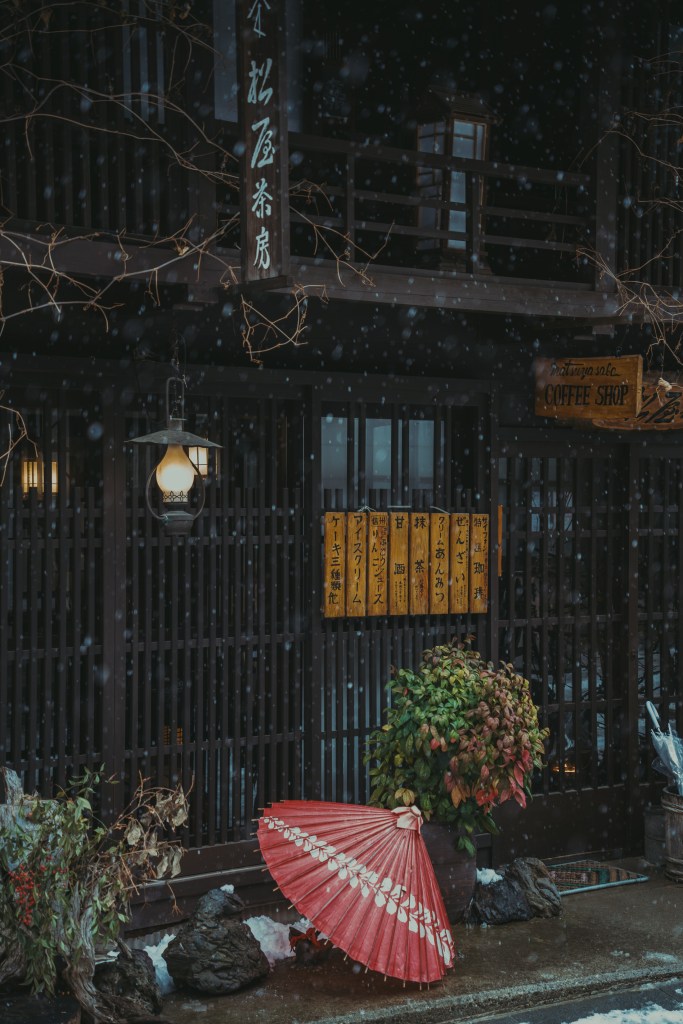
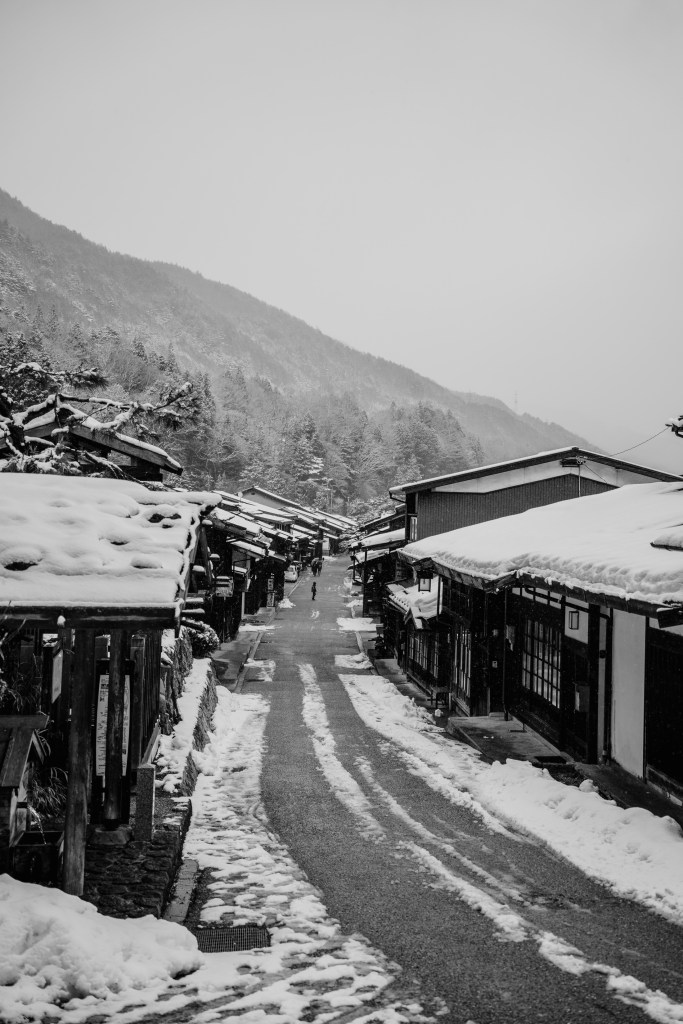
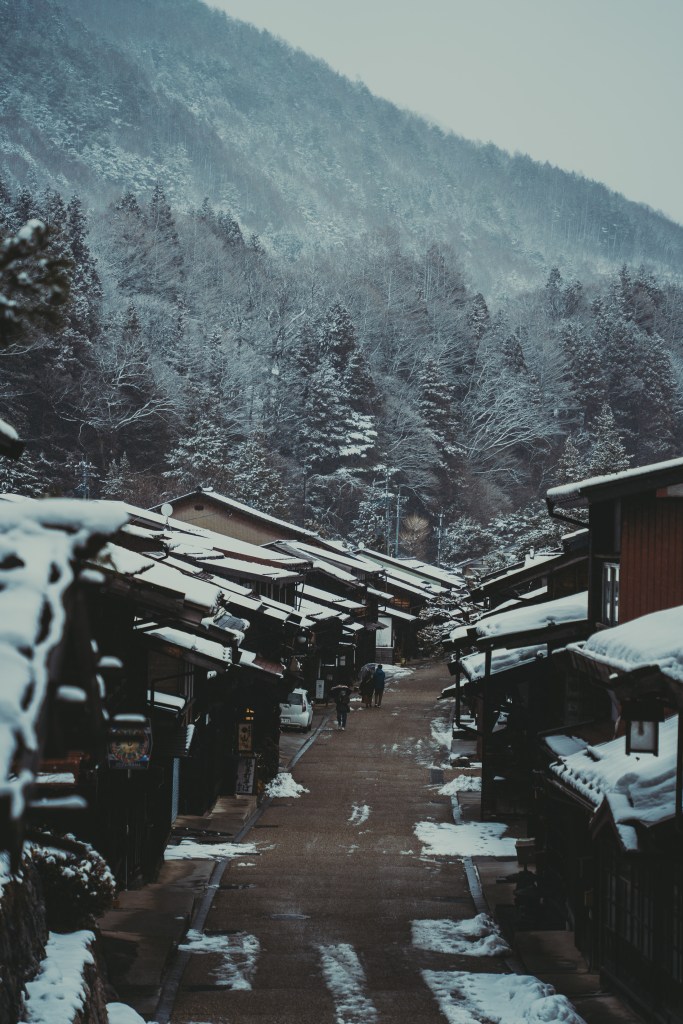
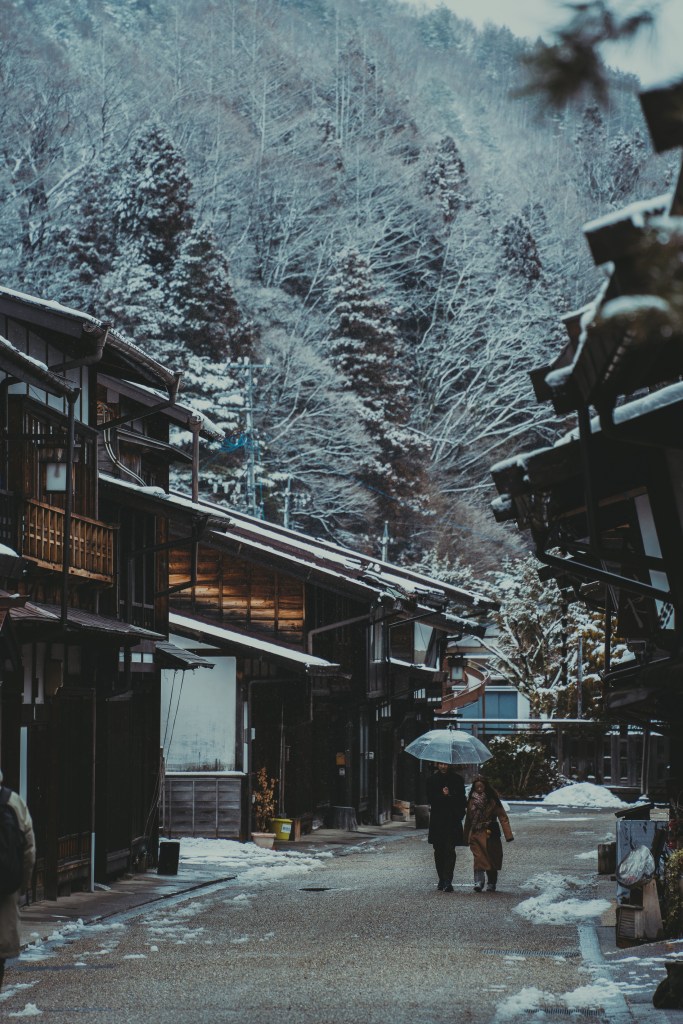
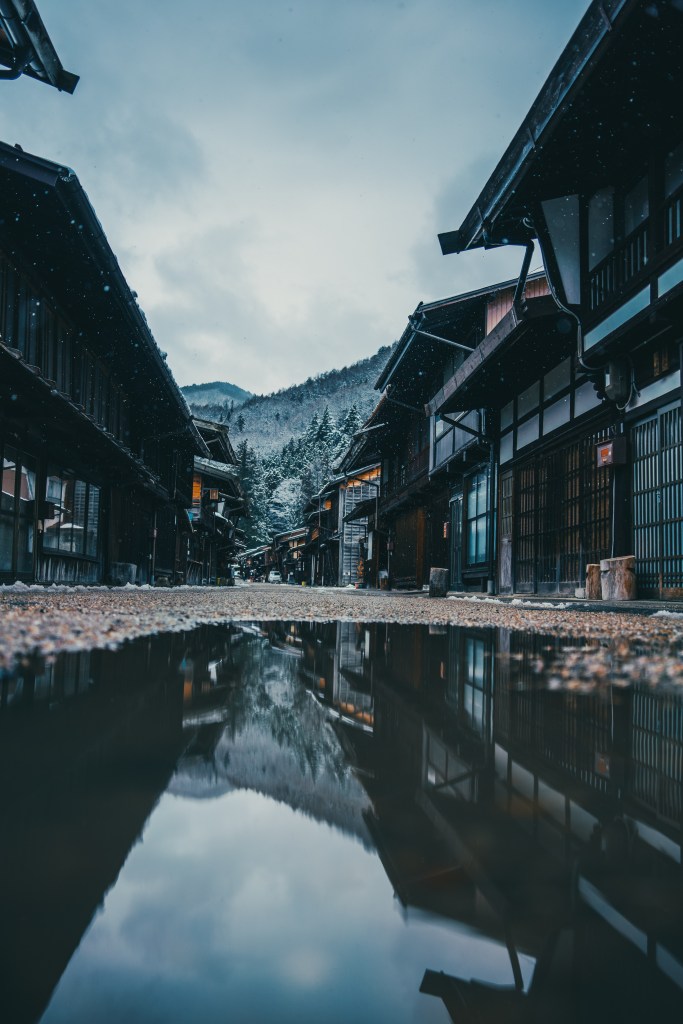
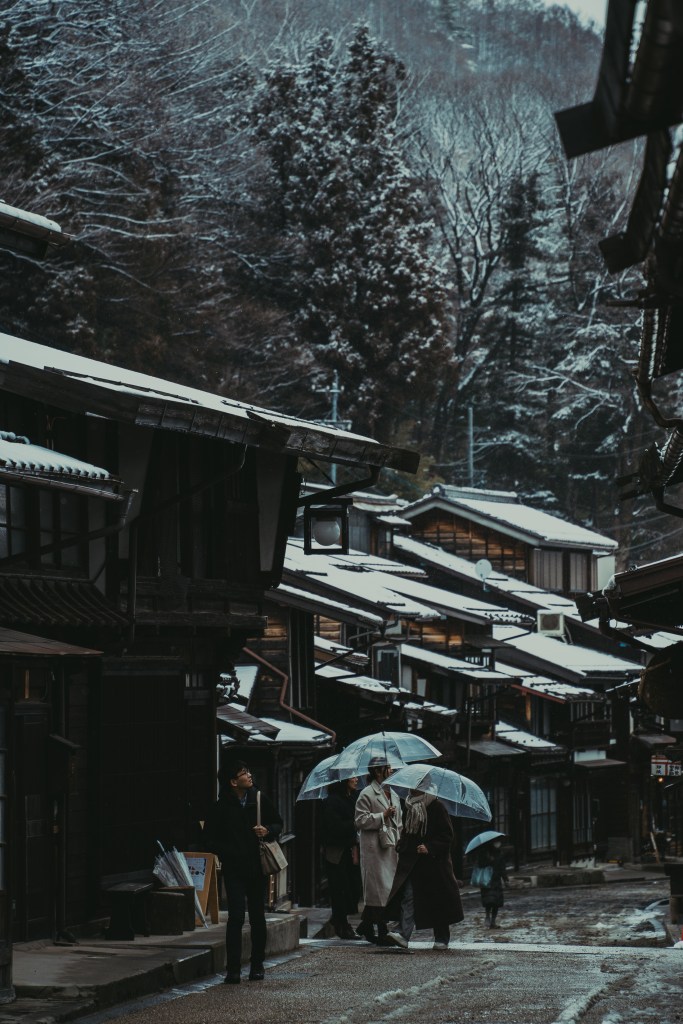
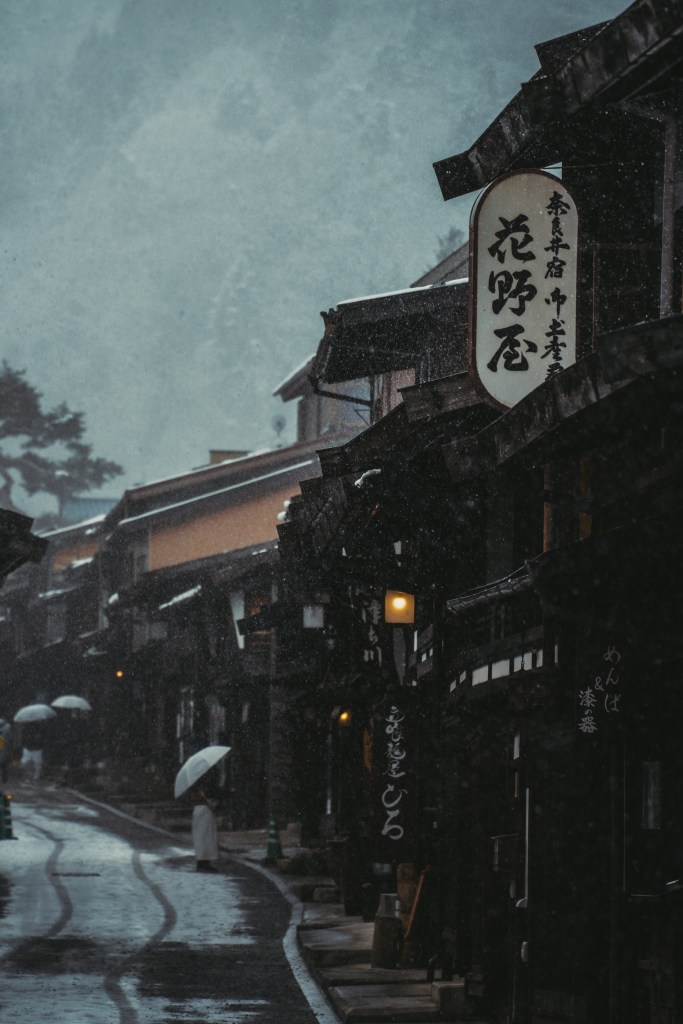
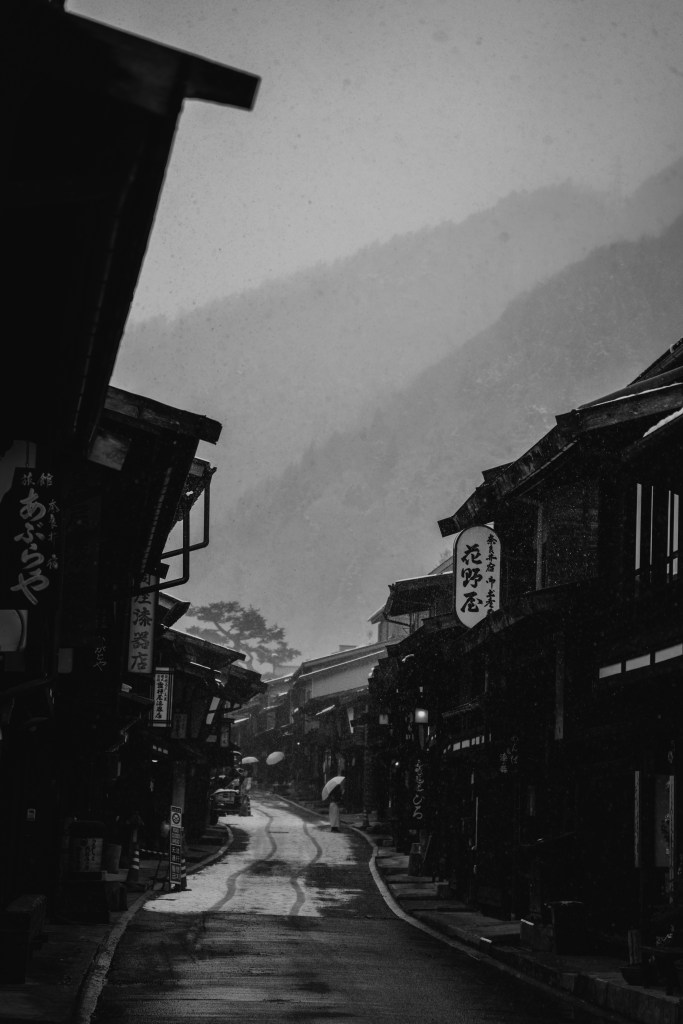
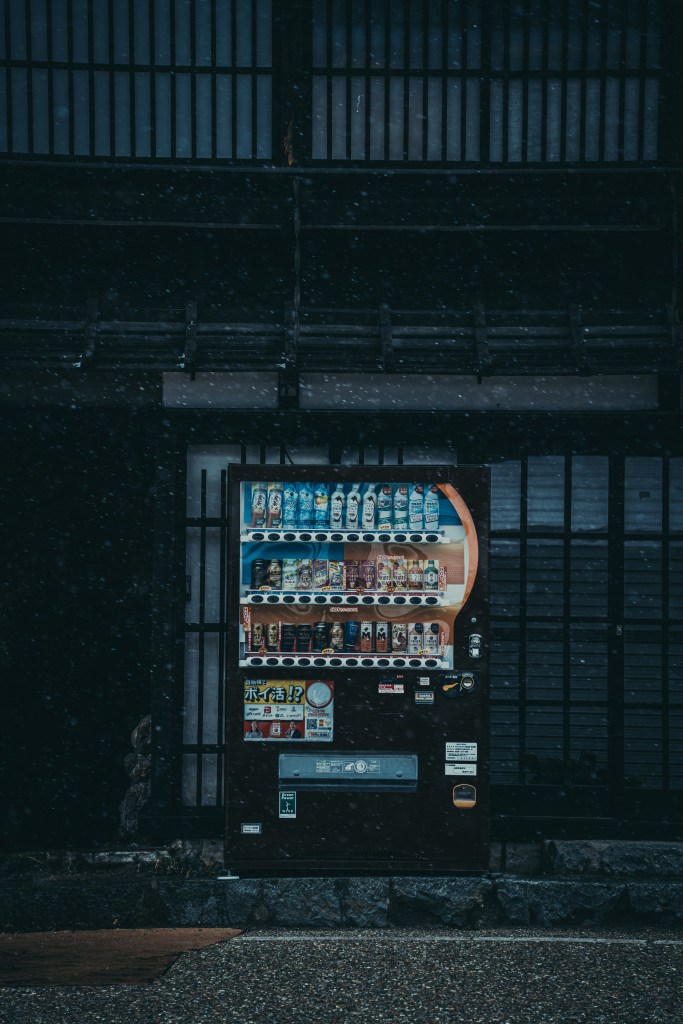
The next day I decided to not do any hiking as a storm had moved in. It was dumping snow outside…ironically on the first day of spring. After an abnormally warm winter, it was very cold this week and it is not common to see this much snow so late in the year here. I ended up taking the train up to Narai, which is one of the most picturesque old post towns on the Nakasendo trail. It was still snowing quite heavily when I got off the train, leaving a beautiful white layer of snow which beautifully contrasted with the dark, old wood of the historic buildings in this post town. I absolutely loved the vibe and spent a lot of time shooting photos and exploring the small town. There are many small restaurants and shops here and I eventually tucked into a really good (and warm!) coffee shop for a nice coffee and treat while watching the snow drift outside the window.
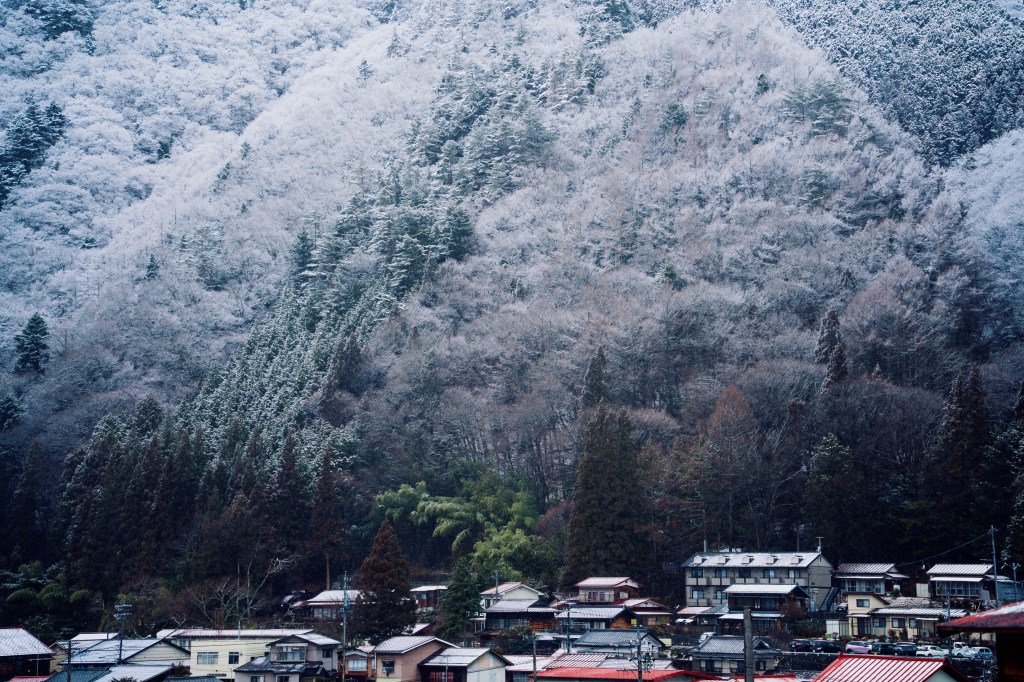
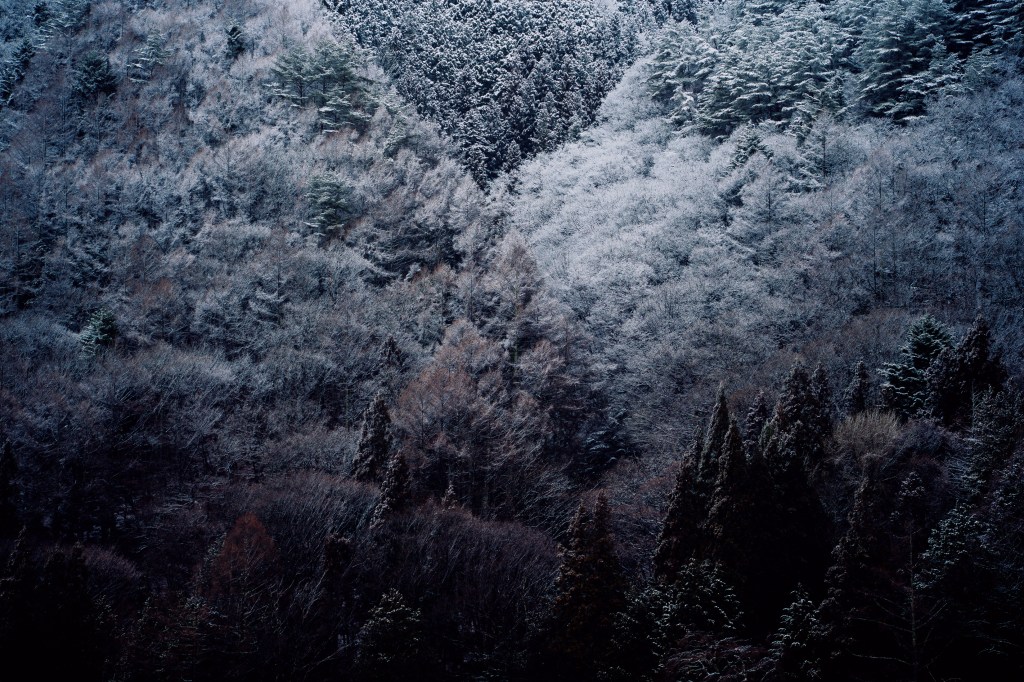
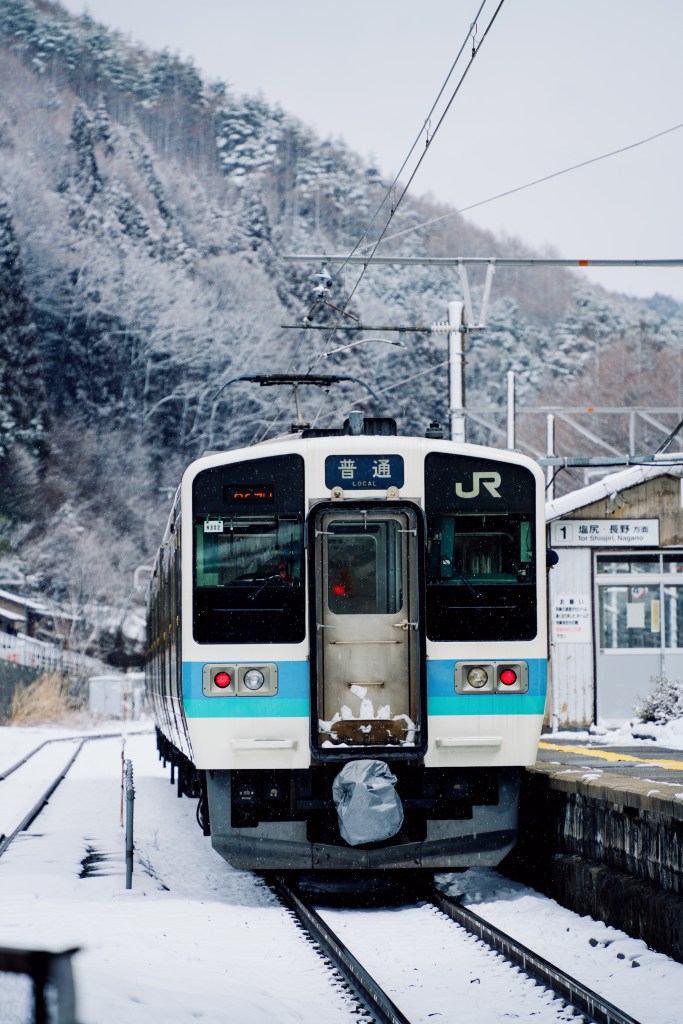
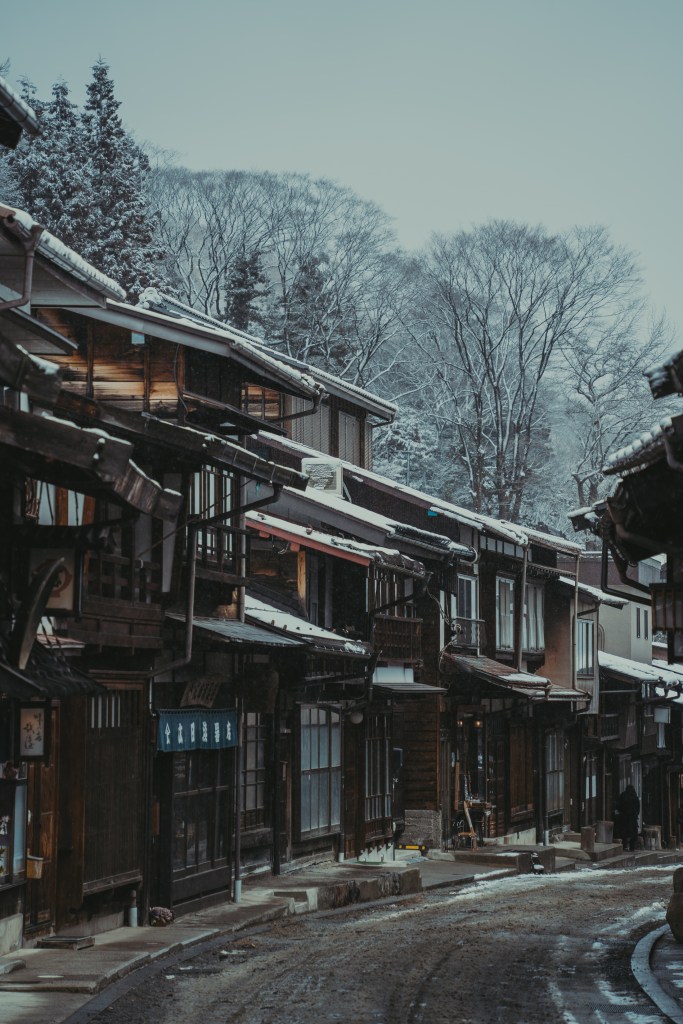
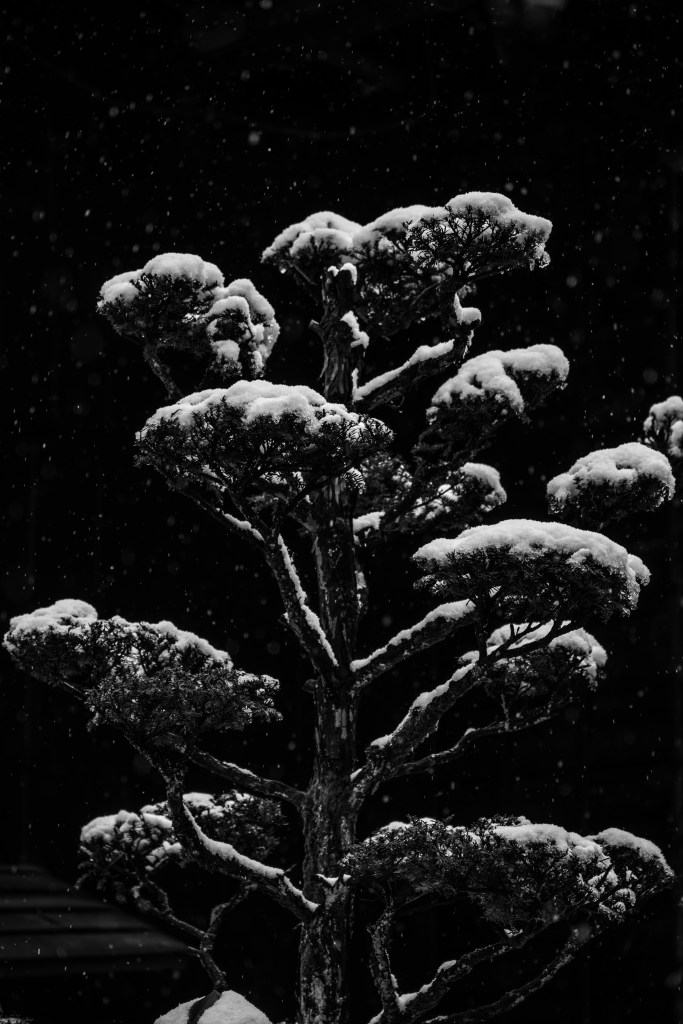

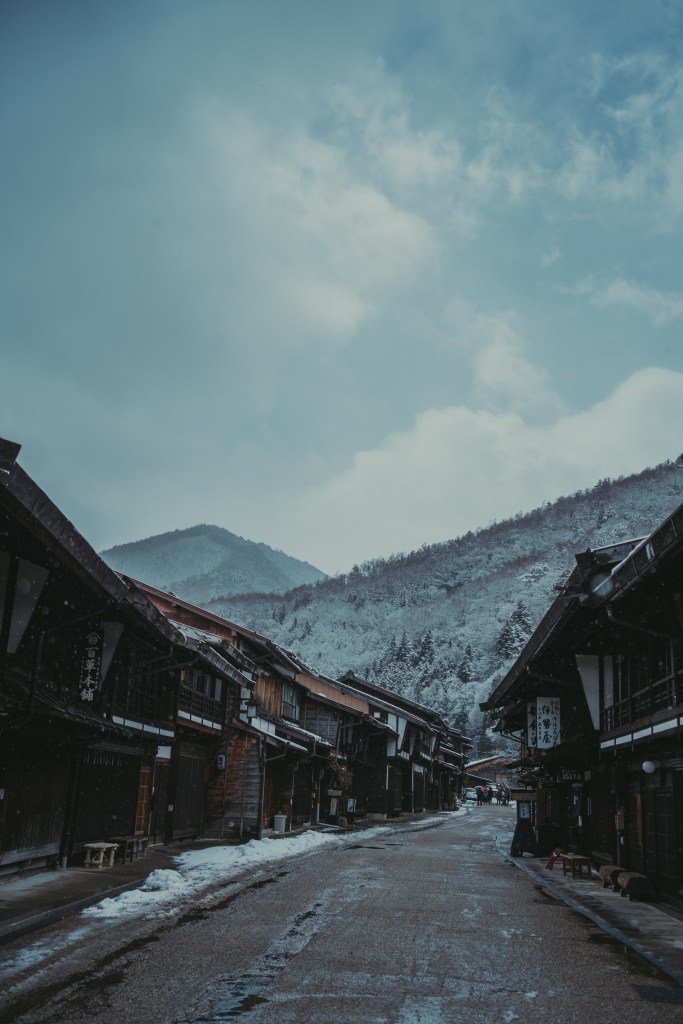
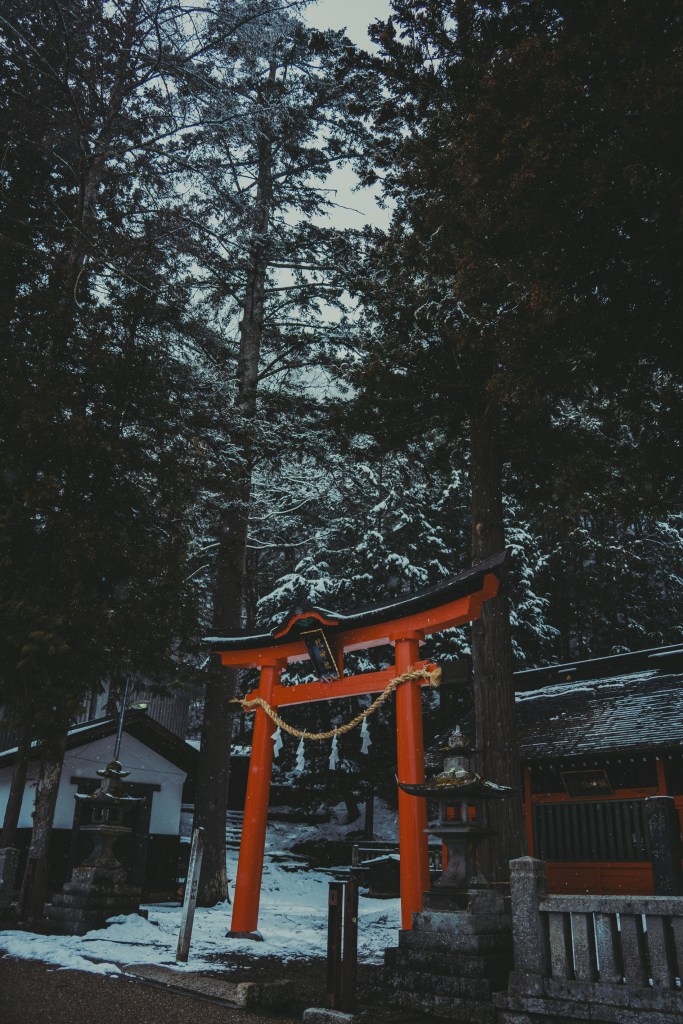
As I made my way back to the train station, I popped into a tiny one-man ramen shop. The enthusiastic owner, Hiro, quickly got me a seat and I ordered a highball and their specialty ramen, kakuni ramen. Kakuni ramen uses braised pork belly and it was one of the best of the entire trip! After warming up with some ramen, I took a train back to my hotel for one last night in the Kiso Valley.


The Nakasendo trail was definitely a highlight of my trip. I learned a lot about the old way of life in Japan while getting some great time in nature and meeting others along the way.



 Khristian Snyder - Travel Journal
Leave a comment